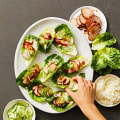
As the days grow shorter and the air turns crisp, there's a palpable shift in our culinary cravings. The comfort foods for fall and winter seasonscomfort foods for fall and winter seasons invite us to indulge in rich flavors, warming spices, and hearty ingredients that not only satisfy our hunger but also nourish our souls. When the temperatures drop and the leaves blanket the ground, it’s the perfect time to gather around the table with family and friends, sharing meals that evoke warmth and togetherness. Imagine curling up with a steaming bowl of soup or savoring a slice of freshly baked pie as the aroma of cinnamon wafts through the air. These seasonal delights are more than just food; they are a celebration of tradition, comfort, and nostalgia.
From hearty stews that fill your kitchen with enticing scents to baked goods that remind you of cozy afternoons spent indoors, comfort foods for fall and winter seasons have a unique way of bringing us together. In this article, we’ll explore an array of delectable dishes that capture the essence of these colder months. Whether you’re seeking inspiration for your next family gathering or simply want to treat yourself to something special, we’ve got you covered. So, grab a warm drink, settle into your favorite chair, and let’s embark on a culinary journey through the most comforting flavors of fall and winter!As the days grow shorter and temperatures drop, the craving for comfort foods intensifies, particularly during the fall and winter seasons. These dishes not only provide nourishment but also evoke feelings of warmth and nostalgia, connecting us to our cultural heritage and shared experiences.
Comfort foods serve as a reminder of family gatherings, holidays, and cozy evenings by the fireplace. Incorporating seasonal ingredients into these dishes not only enhances their flavor but also creates a connection to the bounty of the harvest. When exploring various categories of comfort foods, soups, stews, casseroles, and desserts stand out as favorites during these cooler months. For instance, a rich pumpkin soup, made with roasted pumpkin and warm spices like nutmeg and cinnamon, can transport diners to autumn festivals and family kitchens. Similarly, a hearty beef stew, slow-cooked with root vegetables and herbs, embodies the essence of a comforting meal that warms from the inside out.
Casseroles, such as a classic macaroni and cheese, can be elevated by using artisanal cheeses or adding seasonal vegetables like kale or butternut squash, transforming this beloved dish into a gourmet offering. And let’s not forget about desserts; a warm slice of apple pie, with its flaky crust and spiced filling, is synonymous with fall gatherings and holiday celebrations. Current trends in comfort foods are expanding the traditional definitions. Many diners are seeking plant-based options that maintain the essence of comfort without relying on animal products. Dishes like creamy vegan mushroom risotto, made with cashew cream instead of dairy, or chickpea stew, packed with robust flavors and spices, cater to health-conscious consumers without sacrificing taste.
Additionally, international influences are making their way into comfort food menus; for example, warming bowls of ramen or chili con carne reflect diverse culinary traditions while offering the same sense of satisfaction as more traditional dishes. When designing menus that emphasize these comforting offerings, it is crucial to create seasonal specials and limited-time items that highlight the best of what fall and winter have to offer. Offering a rotating selection of soup specials, featuring ingredients like roasted butternut squash or hearty lentils, can entice repeat visits from customers eager to try new flavors. Additionally, visually appealing menu design—using autumnal colors and imagery—can evoke an emotional response that draws customers into the experience of savoring these dishes. Pricing strategies for comfort foods should reflect ingredient costs while remaining competitive in the marketplace. It is essential to consider portion sizes carefully; larger portions can justify higher prices but may also lead to food waste if customers cannot finish them.
Offering smaller plates or sharing options can encourage sampling while keeping costs manageable. Moreover, providing clear menu descriptions that evoke appetites plays a significant role in attracting customers. Descriptions should tantalize with vivid imagery and highlight key ingredients and cooking methods—words like 'slow-braised,' 'house-made,' or 'locally sourced' can create an enticing narrative around each dish. Furthermore, addressing dietary options is vital in today’s diverse dining landscape. Offering Offering smaller plates or sharing options can encourage sampling while keeping costs manageable. Moreover, providing clear menu descriptions that evoke appetites plays a significant role in attracting customers. Descriptions should tantalize with vivid imagery and highlight key ingredients and cooking methods—words like 'slow-braised,' 'house-made,' or 'locally sourced' can create an enticing narrative around each dish. Furthermore, addressing dietary options is vital in today’s diverse dining landscape. Offering gluten-free or vegan adaptations of popular comfort foods ensures that all guests can partake in the experience without feeling left out.
A gluten-free potato casserole or a vegan chocolate cake, crafted with alternative ingredients yet retaining the comforting qualities people crave, showcases an inclusive approach that can attract a wider audience. In summary, the emotional resonance of comfort foods for fall and winter seasons cannot be overstated; they nourish both body and soul. By thoughtfully incorporating seasonal ingredients into various food categories, staying attuned to current trends, employing strategic menu design and pricing, catering to diverse dietary needs, and crafting enticing descriptions, restaurants can create an inviting atmosphere that celebrates these beloved dishes while drawing customers in for repeat visits.
Comfort foods for fall and winter seasons
hold a special place in our hearts, often tied to cherished memories and cultural traditions. These dishes not only nourish the body but also provide emotional warmth, making them a staple during the colder months. As the weather turns chilly, the craving for hearty meals intensifies, inviting us to explore various categories of comfort foods that resonate with both nostalgia and seasonal ingredients. One of the most beloved categories of comfort foods is soups.They are often seen as the quintessential fall and winter meal. A warm bowl of pumpkin soup, for instance, combines the earthy sweetness of pumpkin with spices like nutmeg and cinnamon, evoking the flavors of the season. Another classic is chicken noodle soup, which serves as a remedy for colds and a source of comfort during dreary days. Soups can be easily adapted to include seasonal vegetables, making them not only comforting but also nutritious. Stews also play a significant role in the comfort food category.
Dishes like beef stew—slow-cooked to perfection—are rich in flavor and warmth. The process of slow cooking allows for the melding of flavors from tender meat, hearty root vegetables, and aromatic herbs. Vegetarian stews, such as chickpea and sweet potato stew, are gaining popularity, especially with the rise of plant-based diets. These comforting dishes can easily be made appealing by highlighting their health benefits while maintaining their satisfying nature. Casseroles are another staple that brings a sense of home cooking to menus during the colder months.
A classic macaroni and cheese casserole appeals to all ages, providing a creamy, cheesy indulgence that feels like a warm hug on a cold day. For a seasonal twist, consider incorporating roasted vegetables or pumpkin puree into the mix. Casseroles can also serve as an excellent platform for incorporating leftovers or seasonal ingredients, making them versatile and cost-effective. Desserts are equally important in the realm of comfort foods.
Apple pie
, with its flaky crust and warm spiced filling, embodies the essence of fall.Other popular choices include pumpkin pie, sticky toffee pudding, or even bread pudding, which all evoke feelings of home and celebration. Incorporating local or seasonal fruits into desserts not only enhances flavor but also promotes sustainability. Current trends in comfort foods reflect an evolving culinary landscape where health-conscious choices take center stage. The demand for plant-based options has led to innovative adaptations of traditional dishes. For instance, many restaurants are now offering vegan versions of classic stews and casseroles that are just as satisfying without compromising on taste.
Additionally, international influences have begun to shape comfort food offerings; dishes like ramen, pho, and curries are becoming increasingly popular as they provide warmth and depth of flavor. When designing menus that highlight these comforting offerings, it’s essential to consider how to present them effectively. Seasonal specials can create excitement and urgency, encouraging customers to try limited-time items that feature seasonal ingredients. Highlighting these dishes with enticing descriptions can evoke appetites and create an emotional connection with diners. For example, describing a dish as "slow-cooked beef stew with root vegetables simmered in a rich broth" conjures images of cozy evenings by the fire. Pricing strategies for comfort foods should reflect both ingredient costs and portion sizes while remaining competitive within the market.
Offering value through generous portion sizes or combo meals can attract customers looking for hearty meals that satisfy both hunger and budget concerns. Additionally, consider implementing tiered pricing for different portion sizes or add-ons, allowing customers to customize their experience. Diverse dietary needs must also be acknowledged when crafting menus that feature comfort foods. Offering gluten-free options or vegan adaptations can widen your customer base and ensure everyone can enjoy these seasonal delights. Clear menu descriptions should indicate dietary options without sacrificing creativity or appeal. In summary, comfort foods for fall and winter seasons offer not only nourishment but also emotional satisfaction through shared experiences and memories.
By exploring various categories such as soups, stews, casseroles, and desserts while embracing current trends like plant-based options and international flavors, restaurants can create enticing menus that resonate with diners seeking warmth during these colder months.
Pricing Strategies
When it comes to pricing comfort food items for the fall and winter seasons, several factors should be taken into account to ensure that your menu is both appealing and profitable. Understanding ingredient costs is the first step in this process. Seasonal ingredients often fluctuate in price based on availability, so it’s crucial to source locally when possible. This not only helps in reducing costs but also enhances the flavor profile of your dishes. Next, consider the preparation time involved in creating each comfort food item.Dishes that require longer cooking times or intricate preparation techniques may warrant higher prices due to the labor involved. On the other hand, simpler recipes can be priced lower, allowing you to cater to a broader audience without sacrificing quality. Additionally, staying informed about current market trends can significantly influence your pricing strategy. Research what similar establishments are charging for their comfort food offerings and adjust your prices accordingly. This competitive analysis will help you position your menu effectively within the market. Finally, don’t forget to factor in customer perception.
Comfort foods often carry emotional value; therefore, pricing should reflect not only the cost of ingredients and labor but also the perceived value of warmth and nostalgia that these dishes provide during the colder months.
Menu Design Strategies
Designing a menu that highlights comfort foods for the fall and winter seasons involves strategic choices that appeal to the senses and evoke warm feelings. Start with the layout of the menu; consider using a seasonal theme that reflects the cozy atmosphere of these months. A well-structured layout can guide diners through their options, making it easier for them to find their favorite comfort foods.Next, focus on the descriptions of each dish. Use evocative language that paints a picture of the food being served.Words like 'hearty', 'rich', 'savor', and 'warmth' can create an emotional connection. Highlight seasonal ingredients by mentioning them in the descriptions to emphasize freshness and locality. For instance, instead of simply stating 'pumpkin soup', a description like 'creamy pumpkin soup infused with nutmeg and topped with roasted pumpkin seeds' can enhance appeal. Visual elements are equally important in menu design. Incorporate warm colors such as deep oranges, browns, and reds that resonate with the fall and winter seasons.
Photos of the dishes can also be beneficial; they should be high-quality images that showcase the food's texture and presentation. Consider adding decorative elements such as leaves or snowflakes to further enhance the seasonal feel. Lastly, consider grouping comfort foods together on the menu under a special section, such as 'Seasonal Favorites' or 'Warm Comforts'. This not only makes it easier for customers to find their preferred dishes but also emphasizes the importance of these meals during colder months.
Catering to Dietary Needs
As we embrace the cozy vibes of fall and winter, it’s essential to remember that comfort foods can be inclusive and cater to various dietary needs. Whether it's gluten-free, vegan, or low-carb, adapting traditional recipes can ensure that everyone can enjoy these seasonal delights without compromising on taste. For those who are gluten-sensitive, consider using alternatives like almond flour or oat flour in recipes for comforting casseroles or hearty breads.These substitutes can provide the same satisfying texture and flavor while being safe for those avoiding gluten. If you’re looking to make dishes suitable for a vegan diet, creative substitutions can transform classic recipes. For instance, replacing eggs with flaxseed meal or applesauce in baked goods can maintain moisture and binding without the use of animal products. Additionally, creamy sauces can be made using cashews or coconut milk, offering richness and depth to warm soups or pastas.Low-carb diets can still enjoy comforting meals by swapping out high-carb ingredients. For example, using spiralized zucchini instead of pasta creates a delicious base for winter stews and sauces.
Cauliflower rice also serves as a fantastic alternative for traditional rice dishes, providing a satisfying texture without the extra carbs. The key to adapting comfort foods is to maintain the essence of the dish while ensuring that it meets dietary restrictions. By focusing on bold flavors through herbs and spices, you can create meals that evoke the same warmth and nostalgia as their traditional counterparts. Ultimately, the goal is to make everyone feel included at the table during the fall and winter seasons. With a little creativity and knowledge of ingredient alternatives, comforting meals can bring joy to all diners, regardless of their dietary preferences.
Seasonal Ingredients to Consider
When creating comfort food dishes for the fall and winter seasons, the importance of using seasonal produce and proteins cannot be overstated. Seasonal ingredients not only enhance the flavors of your dishes but also contribute to a sense of connection with the time of year, making meals feel more meaningful. During the fall, ingredients like pumpkin, butternut squash, and apples come into play.These ingredients can be used in a variety of ways, from hearty soups to sweet desserts, and they evoke the essence of the season. For proteins, consider incorporating game meats such as venison or hearty cuts of beef, which can be braised to create warming stews. As winter approaches, root vegetables such as carrots, parsnips, and potatoes become staples in many comfort food recipes. These ingredients not only provide sustenance but also add depth to dishes when roasted or mashed. Additionally, winter is a great time to use citrus fruits, like oranges and grapefruits, to brighten up heavier meals. Incorporating these seasonal ingredients into your comfort food offerings not only reflects the best that nature has to offer during these colder months but also supports local farmers and sustainable practices.
This connection to the land enhances the dining experience and fosters a deeper appreciation for the food on our plates.
Popular Comfort Food Dishes
Comfort foods are beloved for their ability to warm the soul and evoke cherished memories. Here are some popular comfort food dishes that are perfect for the fall and winter seasons:1.Beef Stew: A hearty mix of tender beef, potatoes, carrots, and onions simmered in a rich broth. This dish is a classic favorite due to its robust flavors and filling nature, making it ideal for chilly nights.2.Chicken Pot Pie:
A savory pie filled with chicken, peas, and carrots, all enveloped in a creamy sauce and topped with flaky pastry. This dish not only offers comfort through its rich texture but also embodies home-cooked warmth.3.Macaroni and Cheese:
Creamy cheese sauce enveloping al dente pasta creates a simple yet satisfying meal.Often topped with breadcrumbs or baked until golden, this dish is a nostalgic favorite among all ages.
4.Chili:
A spicy stew made with ground meat, beans, tomatoes, and a blend of spices. Its warming properties and customizable heat levels make chili a versatile choice for comfort during the colder months.5.Pumpkin Soup:
A creamy blend of roasted pumpkin, spices, and broth, often garnished with cream or toasted seeds. This soup not only highlights seasonal ingredients but also brings warmth and flavor that is synonymous with fall.6.Baked Ziti:
This pasta dish combines ziti noodles with marinara sauce and gooey melted cheese, baked to perfection. It’s an easy-to-prepare meal that’s perfect for gatherings and evokes feelings of home.7.Apple Crisp:
A warm dessert made with baked apples topped with a crumbly mixture of oats, flour, sugar, and butter.This sweet treat is comforting and highlights the flavors of the fall harvest. Each of these comfort food dishes not only satisfies hunger but also evokes emotions tied to family gatherings and cherished traditions, making them ideal choices for any fall or winter menu.
Catering to Dietary Needs
In today's diverse culinary landscape, it is essential to adapt comfort food recipes to accommodate various dietary needs without compromising on flavor or appeal. Whether it's for those following gluten-free, vegan, or low-carb diets, there are numerous ways to recreate beloved fall and winter classics. For instance, traditional creamy soups can be made dairy-free by utilizing coconut milk or nut-based alternatives. This not only maintains the rich texture but also introduces a subtle new flavor profile. Similarly, instead of using all-purpose flour for baking, consider substituting with almond flour or oat flour, which can provide a delightful nuttiness and keep the dishes hearty. Additionally, when adapting recipes for those who are vegetarian or vegan, replacing meat with plant-based proteins, such as lentils, chickpeas, or even jackfruit, can yield satisfying results.These ingredients not only provide necessary nutrition but also add depth to the overall taste of the dish. For individuals with sugar sensitivities, comfort foods can be sweetened with natural alternatives like maple syrup or honey, or even sugar substitutes that won't spike blood sugar levels. This makes indulgent desserts accessible without sacrificing the sweetness that brings back fond memories. Moreover, incorporating seasonal ingredients like root vegetables and hearty greens can enhance the nutritional value of these comfort foods while embracing the flavors of the season. By being mindful of dietary restrictions and preferences, chefs can create dishes that resonate with everyone at the table, ensuring that no one has to miss out on the warmth and nostalgia that comfort foods bring during the fall and winter seasons.
Seasonal Ingredients to Consider
When crafting comfort food dishes for the fall and winter seasons, utilizing seasonal produce and proteins is essential. Not only do these ingredients taste better when they are in season, but they also contribute to sustainability and support local farmers.Seasonal ingredients can enhance the flavor profile of your dishes, making them more comforting and evocative of the season. During the fall months, ingredients such as pumpkins, sweet potatoes, and brussels sprouts take center stage. Pumpkins can be transformed into soups, pies, or roasted side dishes that warm the soul. Sweet potatoes add a natural sweetness to casseroles or can be mashed for a creamy side dish. Brussels sprouts, when roasted, develop a rich flavor that pairs well with various meats and grains. As winter settles in, hearty vegetables like root vegetables—including carrots, parsnips, and turnips—become staples in many comfort food recipes.
These vegetables can be used in stews, roasted medleys, or pureed into soups. Additionally, winter greens such as kale and collard greens provide nutrients and a robust flavor that can elevate any dish. Proteins also play a crucial role in creating satisfying comfort foods. In the cooler months, consider incorporating winter meats like beef, lamb, and poultry. Slow-cooked stews and braised dishes featuring these proteins not only provide warmth but also create a sense of nostalgia and home-cooked goodness. Using seasonal ingredients not only enhances the taste of your dishes but also creates a menu that reflects the unique flavors of fall and winter, making every meal feel like a cozy gathering during the colder months.
Popular Comfort Food Dishes
When the temperatures drop and the days grow shorter, comfort foods become a cherished staple in many households and restaurants.These dishes not only satisfy hunger but also provide a sense of warmth and comfort. Here are some popular comfort food dishes that are beloved during the fall and winter seasons:1.Creamy Tomato Soup: A classic favorite, this dish combines ripe tomatoes, cream, and aromatic herbs to create a velvety soup. Often paired with grilled cheese sandwiches, it evokes feelings of nostalgia and warmth.
2.Beef Stew
: A hearty combination of tender beef, root vegetables, and rich broth makes this dish a quintessential comfort food. Slow-cooked to perfection, the flavors meld beautifully, providing a satisfying meal that warms the soul.3.Macaroni and Cheese
: This indulgent dish features pasta enveloped in a creamy cheese sauce.Whether baked with a crunchy topping or served straight from the pot, it’s a timeless favorite that appeals to both children and adults.
4.Chicken Pot Pie
: With its flaky crust and savory filling of chicken, vegetables, and creamy sauce, chicken pot pie is a quintessential comfort food that offers warmth and satisfaction on cold days.5.Chili
: A spicy blend of ground meat, beans, tomatoes, and chili spices makes this dish both hearty and flavorful. Perfect for warming up after a chilly day outdoors, chili can be customized with various toppings like cheese and sour cream.6.Mashed Potatoes
: Creamy and buttery mashed potatoes are a staple side dish that pairs well with many main courses. Their smooth texture and rich flavor provide comfort in every bite.7.Pumpkin Pie
: A symbol of fall, this dessert features a spiced pumpkin filling in a flaky crust. Its sweet and warm flavors make it a favorite during holiday gatherings. These comfort food dishes are not only delicious but also hold emotional significance for many people, often reminding them of family gatherings and cherished memories during the fall and winter seasons.Incorporating seasonal ingredients into these recipes can further enhance their appeal, making them even more comforting and enjoyable.
Menu Design Strategies
Designing a menu that effectively highlights comfort foods for the fall and winter seasons requires a thoughtful approach that appeals to the senses and evokes nostalgia. Here are some effective strategies to consider:1.Layout and Organization: Begin by structuring your menu in a way that naturally guides diners through the comforting experience. Group comfort foods into sections, such as ‘Hearty Soups’, ‘Savory Stews’, and ‘Decadent Desserts’. This not only makes it easier for customers to navigate but also emphasizes the seasonal offerings.Consider using a warm color palette in the design to evoke feelings of coziness.
2.Descriptive Language:
Use evocative descriptions that transport diners to cozy moments spent at home. Instead of simply listing dishes, describe the ingredients and preparation methods in a way that highlights their comforting qualities. For instance, instead of 'Pumpkin Soup', write 'Creamy Pumpkin Soup, simmered with aromatic spices and topped with a sprinkle of nutmeg, perfect for warming up on a chilly evening.'3.Visual Elements: Incorporate images that capture the essence of comfort foods. High-quality photographs of steaming bowls of soup, golden-brown casseroles, or rich desserts can entice customers and evoke emotional connections.Additionally, consider using illustrations or icons that reflect seasonal themes, like autumn leaves or winter landscapes, to enhance the menu's visual appeal.
4.Seasonal Highlights:
Dedicate a section of the menu to seasonal specials featuring local ingredients that are at their peak during fall and winter. This not only supports local farmers but also creates an authentic dining experience. Highlighting these dishes can encourage diners to try something new while staying within the comforting realm of familiar flavors.5.Personal Touches:
Share stories or anecdotes about specific comfort foods on your menu. Whether it’s a family recipe passed down through generations or a dish inspired by cultural traditions, personal touches can create a deeper connection between diners and the food they’re enjoying. By implementing these strategies, you can create a menu that not only showcases comfort foods for the fall and winter seasons but also resonates with diners on an emotional level, enhancing their overall experience. In conclusion, crafting a comfort food menu for the fall and winter seasons involves a thoughtful approach that blends emotional resonance with culinary creativity.By incorporating seasonal ingredients, you not only enhance the flavors of your dishes but also connect diners to the essence of the season. Popular comfort food dishes evoke nostalgia and warmth, making them perfect for this time of year. Additionally, implementing effective menu design strategies and pricing strategies can significantly impact customer engagement and sales. It’s essential to cater to diverse dietary needs, ensuring that everyone can enjoy the comforting experience your menu offers. We encourage readers to experiment with their menus, keeping in mind customer preferences and current trends. Thoughtful menu planning not only enhances the dining experience but also fosters increased customer satisfaction and loyalty.