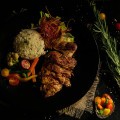
In the vibrant world of culinary arts, every dish tells a story.
Showcasing chef's specialties
on your menu is not merely about listing items; it's an opportunity to invite diners into a narrative that highlights the passion, creativity, and skill that go into each plate. As culinary enthusiasts become increasingly discerning, the way we present these specialties can make all the difference in their dining experience. When chefs pour their heart and soul into crafting unique dishes, it is essential to communicate that dedication through effective menu descriptions. These aren't just names of meals; they are invitations to explore flavors, ingredients, and culinary techniques that reflect the chef's individuality.By highlighting these specialties, restaurants can create a stronger connection with their guests, encouraging them to indulge in the stories behind each dish. In this article, we will delve into the art of highlighting chef's specialties on your menu. We will explore how to craft compelling descriptions that not only inform but also excite and entice customers. By focusing on the ingredients, sourcing practices, and the chef's personal touch, you can transform your menu into a powerful tool that enhances the dining experience and builds loyalty among your patrons. Join us as we uncover the strategies for making your menu come alive with the essence of your chef's creations. Whether you're a seasoned restaurateur or just beginning your culinary journey, this guide will provide you with the insights needed to elevate your menu and celebrate the unique flavors that define your establishment.
Showcasing chef's specialties
on a restaurant menu involves more than just listing dishes; it is about creating an experience that reflects the chef's unique culinary artistry.The key to successfully highlighting these specialties lies in understanding their various components. First and foremost, it is essential to craft an engaging narrative around each specialty. This narrative could include the inspiration behind the dish, the techniques employed, and the ingredients used, allowing diners to connect with the food on a deeper level. Such storytelling can elevate a simple dish into a memorable experience, encouraging patrons to try something new. When it comes to menu formats, several strategies can effectively showcase these specialties.
One popular approach is to create a separate section dedicated entirely to chef's specialties. This allows diners to easily identify standout items without having to sift through the entire menu. Another effective format is to feature these items prominently at the top of the menu or within a highlighted box that draws attention. Additionally, incorporating rotating seasonal dishes or daily specials can keep the menu dynamic and exciting, enticing regular customers to return frequently for new offerings. The significance of ingredient sourcing cannot be overstated when it comes to enhancing the appeal of . This allows diners to easily identify standout items without having to sift through the entire menu. Another effective format is to feature these items prominently at the top of the menu or within a highlighted box that draws attention. Additionally, incorporating rotating seasonal dishes or daily specials can keep the menu dynamic and exciting, enticing regular customers to return frequently for new offerings. The significance of ingredient sourcing cannot be overstated when it comes to enhancing the appeal of chef's specialties.
Sourcing high-quality, local, and sustainable ingredients not only supports local farmers but also adds depth and authenticity to the dishes. Diners are increasingly interested in where their food comes from, and highlighting these connections can further elevate a chef's specialties. For example, a restaurant that features a dish made from locally sourced heirloom tomatoes can share the story of the farm where they are grown, adding layers of meaning to the meal. Successful restaurants have mastered the art of showcasing their chef's specialties through thoughtful menu design. A prime example is Blue Hill at Stone Barns, where the menu changes daily based on what is fresh and in-season.
The chefs create dishes that reflect their philosophy of farm-to-table dining, effectively communicating their commitment to sustainability and flavor. Another notable example is Farmhouse Tavern, which features a dedicated section for chef's specialties, complete with vivid descriptions that highlight unique preparation methods and ingredient sourcing. Pricing strategies are also critical when presenting chef's specialties. Transparency in pricing helps build trust with customers; they should understand what they are paying for and why these dishes are priced higher than standard menu items. It is essential to communicate value clearly—whether through portion sizes, ingredient quality, or unique preparation techniques—ensuring profitability without alienating potential diners. Accommodating dietary needs and preferences in specialty dishes is becoming increasingly important in today’s culinary landscape.
Chefs can adapt recipes to cater to various dietary restrictions without compromising authenticity by offering vegetarian or gluten-free versions of their signature dishes. For instance, a renowned restaurant might offer a classic risotto but provide a vegan alternative that retains the dish’s core flavors while being inclusive. Finally, trends in menu design play a significant role in how chef's specialties are perceived by diners. Visually appealing descriptions that evoke taste sensations can capture attention and spark interest. Using icons to indicate dietary options—such as vegetarian, vegan, gluten-free, or nut-free—can also enhance customer experience by making menus more navigable. are perceived by diners. Visually appealing descriptions that evoke taste sensations can capture attention and spark interest. Using icons to indicate dietary options—such as vegetarian, vegan, gluten-free, or nut-free—can also enhance customer experience by making menus more navigable.
Restaurants can experiment with creative layouts, typography, and even illustrations to make their menus an extension of their brand identity while effectively highlighting their chef's specialties.
The Importance of Ingredient Sourcing
When it comes to showcasing chef's specialties, the quality of the ingredients used is paramount. Sourcing high-quality ingredients not only enhances the flavor profiles of dishes but also elevates the overall dining experience. Diners are increasingly becoming more discerning, seeking out restaurants that prioritize freshness and sustainability. By highlighting the sourcing of these ingredients, chefs can create a narrative that resonates with customers. Using locally-sourced produce, for example, can significantly enhance the appeal of chef's specialties.It allows chefs to craft dishes that are not only fresh but also reflective of the season. Customers appreciate knowing where their food comes from, and emphasizing local farms or artisanal suppliers in menu descriptions can build trust and foster a connection between the diner and the chef. Moreover, sourcing unique or exotic ingredients can set a restaurant apart from its competitors. When chefs use rare spices, specialty cheeses, or unique grains, they can create signature dishes that intrigue customers and encourage them to return for a unique experience. This approach not only highlights the chef's creativity but also aligns with current food trends that favor distinctive and high-quality offerings. Ultimately, by focusing on ingredient sourcing, chefs can showcase their specialties in a way that highlights their culinary expertise while appealing to customers' growing interest in quality and sustainability.
This enhances the overall perception of the restaurant and its offerings, making chef's specialties not just meals, but memorable experiences.
Choosing the Right Menu Format
When it comes to showcasing chef's specialties, the format of your menu plays a crucial role in how these dishes are presented to potential diners. The right menu format can not only enhance the visual appeal but also guide customers towards experiencing the unique offerings of your restaurant. One effective approach is a descriptive menu, where each specialty is accompanied by a detailed description. This allows you to highlight the ingredients, preparation methods, and the story behind each dish, making it more enticing for customers. Descriptive menus can create a narrative that connects the diner with the chef's culinary journey. Another option is a thematic menu, which groups specialties according to specific themes or inspirations.For example, you could have a section dedicated to seasonal dishes, showcasing how the chef utilizes fresh, local produce. This format not only emphasizes the chef's creativity but also aligns with current food trends that prioritize sustainability and locality. A visual menu incorporating high-quality images of the chef's specialties can also be impactful. Attractive photographs can capture the essence of each dish, enticing customers to try something new. However, it's important to ensure that the images are representative of the actual dishes served. Lastly, consider using a digital menu that allows for dynamic updates.
This format can provide flexibility in showcasing limited-time specialties or seasonal offerings, ensuring that your menu stays fresh and exciting. Digital menus can also incorporate interactive elements, such as videos of the chef preparing a dish, adding a personal touch that connects patrons to their dining experience. By thoughtfully selecting the right menu format, you can effectively highlight your chef's specialties and create an inviting atmosphere that attracts customers seeking unique culinary experiences.
Current Trends in Menu Design
In today's competitive dining landscape, highlighting chef's specialties through innovative menu design is essential for attracting discerning customers. Many restaurants are embracing modern design trends that not only showcase these unique offerings but also enhance the overall dining experience. One significant trend is the use of visual storytelling. Menus now often incorporate high-quality images or illustrations that depict the chef's specialties, allowing diners to visually connect with the dishes before making a selection.This approach can entice customers and create anticipation for their meal. Another popular trend is the integration of seasonality and locality in menu descriptions. Highlighting ingredients that are fresh and locally sourced not only emphasizes the chef's commitment to quality but also aligns with current consumer preferences for sustainable dining. Including notes about where ingredients come from can enhance the perceived value of the specialties. Furthermore, many menus are adopting a narrative style that tells a story about the chef's background, culinary influences, or the inspiration behind specific dishes. This personal touch can help establish a connection between the diner and the chef, making the meal feel more intimate and memorable. Lastly, the use of interactive menus, such as digital tablets or QR codes, allows chefs to update their specialties frequently and engage with diners on a deeper level.
This technology can provide detailed information about each dish, including preparation methods and flavor profiles, enhancing the overall dining experience. By embracing these current trends in menu design, restaurants can effectively showcase their chef's specialties and stand out in a crowded marketplace, ultimately attracting customers who are eager for unique culinary experiences.
Accommodating Dietary Needs
In today's diverse dining landscape, accommodating dietary needs is essential for any restaurant aiming to highlight their chef's specialties. With an increasing number of diners following specific dietary restrictions—be it due to allergies, lifestyle choices, or health concerns—it's crucial to consider these factors when crafting menu items that showcase a chef's unique talents. Firstly, chefs can create specialty dishes that inherently cater to various dietary preferences, such as gluten-free, vegan, or vegetarian options. By incorporating a range of ingredients that appeal to these groups, chefs not only broaden their appeal but also demonstrate inclusivity. For instance, a chef could feature a signature risotto made with organic vegetables and plant-based broth, making it both a chef's specialty and an attractive choice for those seeking vegan options. Additionally, clear labeling on the menu is vital.Each dish should include information about potential allergens and dietary suitability. This transparency helps diners make informed decisions and feel safe in their choices. Highlighting dishes that can be easily modified to accommodate specific needs is another effective strategy. For example, a pasta dish could be offered with a gluten-free option or a sauce that can be adjusted for those avoiding dairy. Furthermore, chefs should stay informed about current food trends regarding dietary preferences.
Whether it's the growing popularity of plant-based diets or the rise of interest in locally sourced ingredients, aligning chef's specialties with these trends can attract a broader audience while showcasing culinary creativity. By thoughtfully integrating dietary options into their specialty dishes, chefs not only enhance the dining experience but also position their restaurant as a go-to destination for anyone looking to enjoy exceptional food that meets their dietary needs.
Pricing Strategies for Specialties
When it comes to showcasing chef's specialties on your menu, establishing effective pricing strategies is crucial. These specialties not only highlight the chef's unique skills but also play a significant role in attracting customers looking for memorable dining experiences. To achieve a balance between customer expectations and profitability, consider the following strategies. Firstly, conduct thorough market research to understand the pricing landscape of your local area. Analyze what similar restaurants are charging for their specialties.This insight will help you position your offerings competitively while ensuring they reflect the quality and uniqueness of your chef's creations. Secondly, consider the cost of ingredients and preparation when determining prices. Premium ingredients often come with a higher price tag, but they can also justify higher menu prices if marketed effectively. Highlighting the source and quality of these ingredients in your descriptions can enhance perceived value and justify the cost to customers. Additionally, offering tiered pricing can be an effective strategy. For instance, you could provide a range of chef's specialties that cater to different budgets—some being more elaborate or featuring rare ingredients, while others are simpler yet equally delicious.
This approach not only appeals to a broader audience but also allows guests to choose based on their preferences and wallet size. Lastly, consider implementing seasonal pricing strategies. As certain ingredients become more available or popular during specific times of the year, adjust your prices accordingly. This flexibility can attract customers who are eager to try dishes that reflect current culinary trends while ensuring that your pricing remains aligned with supply and demand. In conclusion, setting the right prices for chef's specialties involves understanding both customer expectations and the restaurant's financial needs. By conducting market research, considering ingredient costs, offering tiered pricing, and adjusting for seasonal trends, you can create a pricing strategy that maximizes profitability while delighting diners. In conclusion, effectively showcasing a chef's specialties is crucial for creating a memorable dining experience that resonates with customers.
By choosing the right menu format, emphasizing the importance of ingredient sourcing, and implementing strategic pricing, restaurants can highlight what makes their offerings unique. Moreover, accommodating dietary needs and staying attuned to current trends in menu design not only enhances customer satisfaction but also elevates the restaurant's brand identity. A well-crafted menu that features chef's specialties can attract discerning diners looking for authentic and innovative culinary experiences. We encourage readers to experiment with their menus, embrace creativity, and actively seek feedback from patrons to refine their approach. In doing so, they can foster a deeper connection with their guests and ensure that their chef's specialties shine through.