In today's fast-paced digital landscape, businesses are constantly seeking innovative ways to enhance customer satisfaction and streamline operations. One of the most critical aspects of this endeavor is creating a user-friendly online ordering experience for customers. As consumers increasingly turn to the internet for their shopping needs, the demand for seamless, efficient, and enjoyable online interactions has never been higher. Imagine a potential customer browsing through your digital menu, eager to place an order but quickly becoming frustrated by a complicated interface or confusing navigation.
This scenario highlights the importance of prioritizing user experience in your online ordering system. A well-designed ordering process not only reduces cart abandonment rates but also fosters customer loyalty and encourages repeat business. In this article, we will delve into the essential elements that contribute to a successful online ordering experience. From intuitive design and responsive layouts to clear communication and robust support systems, we will explore best practices that can help you transform your online ordering platform into a customer-centric powerhouse. Join us as we uncover the strategies that can elevate your digital menu and online ordering system, ensuring that each customer interaction is as smooth and satisfying as possible. In today’s digital age, creating a user-friendly online ordering experience for customers is essential for businesses looking to thrive.
The online menu serves as the digital storefront, and its design can significantly impact customer satisfaction and sales. To begin with, it's crucial to understand the different types of menus available: static, dynamic, and digital-only. Each type caters to specific customer needs. A static menu is fixed and does not change often, making it suitable for establishments with a consistent offering.
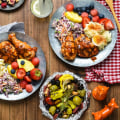
In contrast, a dynamic menu allows for updates based on inventory, seasonal items, or promotions, appealing to customers who seek variety. The digital-only menu is optimized for online platforms and typically features interactive elements that can enhance the ordering experience. Once the type of menu is selected, best practices for menu layout and design come into play. Readability is paramount; using clear fonts and appropriate sizes ensures that customers can easily browse through items. High-quality imagery plays a significant role in enticing customers; visually appealing photos of dishes can increase cravings and drive sales.
Additionally, effective categorization of items—such as appetizers, main courses, and desserts—creates a logical flow that helps customers navigate the menu effortlessly. Examples of successful restaurant menus include those that not only highlight their specialties but also provide detailed descriptions that engage the customer’s senses. For instance, a restaurant might describe a dish by detailing its ingredients and preparation methods, making it more appealing to potential diners. Another critical aspect of an online menu is pricing strategy. Employing techniques like psychological pricing, where prices are set just below round numbers (e.g., $9.99 instead of $10), can create a perception of better value. Bundle offers are also effective; combining popular items at a slight discount encourages customers to purchase more while feeling like they are getting a deal. Addressing dietary options is increasingly important in today’s market. , where prices are set just below round numbers (e.g., $9.99 instead of $10), can create a perception of better value. Bundle offers are also effective; combining popular items at a slight discount encourages customers to purchase more while feeling like they are getting a deal. Addressing dietary options is increasingly important in today’s market.
Clearly communicating choices for various diets—such as vegetarian, vegan, gluten-free, or allergen-free—can make the menu more inclusive and appealing. Icons or color coding can be used to highlight these options quickly. Current trends such as sustainability and local sourcing are crucial to consider when designing an online menu. Many consumers are now looking for restaurants that prioritize sustainability in their sourcing practices. Highlighting local ingredients or eco-friendly practices not only attracts environmentally conscious diners but also sets the brand apart in a competitive market. Finally, it is vital to adapt menus for online platforms and mobile devices.
Ensuring that the menu is responsive and accessible on various screen sizes enhances the user experience significantly. Mobile optimization allows customers to order seamlessly from their smartphones or tablets, which is increasingly how consumers prefer to engage with businesses. In summary, creating a user-friendly online ordering experience involves understanding different menu types, employing effective layout and design strategies, utilizing smart pricing tactics, addressing dietary needs, embracing current trends, and optimizing for online accessibility. By focusing on these critical elements, businesses can enhance customer satisfaction and drive sales through their online ordering systems.
Current Trends in Menu Design
In the ever-evolving landscape of online ordering, current trends in menu design are crucial for businesses aiming to enhance customer engagement and satisfaction. One prominent trend is the focus on sustainability.Consumers today are increasingly conscious of their environmental impact, and they prefer to support businesses that prioritize eco-friendly practices. This includes using digital menus that highlight sustainable ingredients and sourcing methods, allowing customers to make informed choices while ordering. Another significant trend is the emphasis on local sourcing. Many customers appreciate knowing where their food comes from and are more likely to order from restaurants that feature locally sourced ingredients. This not only supports local farmers and suppliers but also enhances the freshness and quality of the dishes offered.
Digital menus can effectively showcase these local partnerships, creating a stronger connection between the business and its community. Furthermore, incorporating visual elements that reflect sustainability and local sourcing can make menus more appealing. High-quality images of dishes made with fresh, local ingredients can entice customers and encourage them to explore new offerings. As restaurants adapt to these trends, they will find that aligning their menu design with customer values can lead to increased loyalty and sales.
Adapting Menus for Online Platforms
In the digital age, optimizing menus for online viewing has become a critical aspect of enhancing the customer experience. A well-designed online menu not only showcases your offerings but also influences purchasing decisions.Customers today expect to navigate menus quickly and easily, and if they encounter a poorly designed interface, they are likely to abandon their orders. Therefore, it is essential to ensure that your online menu is visually appealing, easy to read, and simple to navigate. When adapting your menu for online platforms, consider various factors such as font size, color contrast, and layout. A cluttered menu can overwhelm customers, making it difficult for them to find what they want. Instead, aim for a clean and organized design that highlights key items and categories.
Additionally, incorporating high-quality images can significantly enhance the visual appeal of your menu, enticing customers to explore further. Furthermore, it is vital to ensure that your online menu is mobile-friendly. With an increasing number of customers ordering from their smartphones or tablets, your menu must be responsive and accessible on all devices. This adaptability can improve user experience and ultimately lead to higher conversion rates. Finally, regularly updating your online menu to reflect seasonal changes, new items, or promotional offers keeps the content fresh and engaging. This not only encourages repeat visits but also shows customers that you are actively managing your offerings.
Highlighting Dietary Options
In today’s health-conscious world, it is essential to clearly present dietary options on your online menu.Customers increasingly seek transparency regarding what they are consuming, making it crucial to provide detailed information about dietary preferences and restrictions. This not only enhances the user experience but also helps in building trust with your clientele. To effectively highlight dietary options, consider implementing iconography alongside menu items. For example, using simple symbols such as a leaf for vegetarian dishes or a wheat symbol for gluten-free options can make it easier for customers to identify their choices at a glance. Additionally, you can utilize color coding to differentiate between various dietary categories. Another vital aspect is to offer detailed descriptions of each dish.
Make sure to include information about ingredients and preparation methods, which can help customers with specific dietary needs make informed decisions. For instance, if a dish is labeled as vegan, clarify that it contains no animal products and specify any allergens present. Furthermore, consider creating a dedicated section on your online menu for dietetary options. This allows customers to quickly navigate to their preferences without having to sift through the entire menu. You could even implement filters that enable users to sort dishes based on their dietary requirements. Lastly, it's beneficial to keep your menu up-to-date with the latest trends in diets and food preferences.
With the rise of new dietary movements such as keto or paleo, staying informed and adapting your menu accordingly can attract a broader audience while ensuring existing customers feel catered to.
Effective Pricing Strategies
In the competitive landscape of online ordering, implementing effective pricing strategies is crucial for attracting and retaining customers. These strategies not only influence customer perception but also drive sales and enhance overall user experience. One popular technique is dynamic pricing, where prices fluctuate based on demand, time of day, or even customer behavior. This approach can maximize revenue during peak times while offering discounts during slower periods to encourage orders. Another effective method is the use of psychological pricing. For instance, pricing items at $9.99 instead of $10 can make a significant difference in customer perception.This subtle adjustment often makes a product appear more affordable and can lead to increased conversions. Additionally, offering bundled pricing can create value for customers. By grouping complementary items together at a reduced rate, businesses can encourage larger orders while providing customers with a sense of savings. Implementing a loyalty program is another strategy that appeals to customers. By rewarding repeat purchases with discounts or points that can be redeemed for future orders, businesses foster customer loyalty and repeat business. Lastly, being transparent about pricing and any additional fees enhances trust. Clearly communicating costs associated with delivery or service fees helps manage customer expectations and reduces cart abandonment. By exploring these various pricing techniques, businesses can effectively appeal to customers and create an online ordering experience that not only meets their needs but also drives profitability.
Understanding Different Types of Menus
In order to create a user-friendly online ordering experience, it is essential to understand the various types of menus available.Each type has distinct characteristics and benefits that can significantly impact customer satisfaction and sales.
Static Menus
are fixed and do not change frequently. They typically showcase a set list of items that customers can choose from. The primary benefit of static menus is their simplicity; customers can easily navigate through the options without confusion. This type of menu is ideal for restaurants with a consistent offering, as it allows for straightforward pricing and avoids overwhelming customers with too many choices.Dynamic Menus
, on the other hand, can change based on various factors such as time of day, seasonality, or customer preferences.These menus provide flexibility and can help highlight specials or limited-time offers. The advantage of dynamic menus lies in their ability to adapt to trends and customer feedback, ensuring that the offerings remain relevant and appealing. This adaptability can lead to increased sales as customers are often enticed by new and exciting options.
Digital Menus
are increasingly popular in the online ordering landscape. They are often interactive and can include features like images, descriptions, and customer reviews.Digital menus enhance the online ordering experience by allowing customers to visualize their choices and make informed decisions. Additionally, they can be easily updated, enabling businesses to keep their offerings fresh without the need for reprinting physical menus. The use of digital menus also allows for integration with various online platforms, making it easier for customers to place orders seamlessly. Understanding these different types of menus is crucial for businesses aiming to optimize their online ordering system. By selecting the right type of menu, restaurants can improve user experience, drive sales, and ultimately create a more satisfying dining experience for their customers.
Best Practices for Menu Layout and Design
When creating a user-friendly online ordering experience, the layout and design of your digital menu play a crucial role.A well-organized menu not only enhances readability but also engages customers, encouraging them to explore and make purchases. First and foremost, consider using a clean and simple design. Avoid clutter by ensuring that each menu item is distinct and easy to find. Utilize white space effectively to separate different sections of the menu, which helps in drawing attention to key items. Font choice is another important aspect of menu design. Opt for legible fonts that are easy to read on various devices.
A font size of at least 16px is recommended for readability, especially on mobile screens. Additionally, maintain consistency in font styles throughout the menu to provide a cohesive look. Color schemes can greatly influence user engagement. Use contrasting colors to highlight important elements such as specials or promotions. For example, a bright color for discounts can attract attention without overwhelming the overall design. Imagery should be used judiciously; high-quality images of menu items can entice customers and enhance their ordering experience.
However, too many images can slow down loading times, so balance is key. Consider incorporating hover effects that reveal additional information or images when customers hover over a menu item. Lastly, ensure that your online menu is optimized for mobile devices. A responsive design will allow customers to easily navigate your offerings regardless of screen size, ultimately leading to higher conversion rates. By focusing on these design elements, you can create an online ordering system that not only looks good but also enhances customer satisfaction and drives sales. In conclusion, creating a user-friendly online ordering experience is essential for businesses striving to thrive in today’s digital age.
Effective menu design
plays a crucial role in enhancing customer satisfaction and driving sales.By understanding different types of menus and employing best practices for layout and design, businesses can significantly improve the overall ordering experience. Additionally, implementing effective pricing strategies and highlighting dietary options ensures that menus cater to diverse customer needs. Staying abreast of current trends in menu design further aids in keeping the online presence fresh and engaging. We encourage readers to adopt these practices to not only boost customer satisfaction but also increase sales.