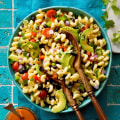
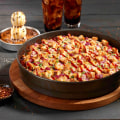
In recent years, the culinary world has witnessed a remarkable transformation, with fusion cuisinefusion cuisine taking center stage in many dining establishments. As food enthusiasts seek new and exciting flavors, chefs around the globe are creatively blending traditional dishes with contemporary twists, resulting in a vibrant tapestry of global flavors. This innovative approach not only showcases the rich culinary heritage of various cultures but also invites diners on a gastronomic journey that transcends borders. Imagine savoring a plate of sushi tacos, where the delicate taste of fresh fish meets the crunchy texture of a corn tortilla, or indulging in a spicy kimchi quesadilla that marries the boldness of Korean cuisine with the beloved Mexican classic. These popular fusion cuisine examples are just a glimpse into the endless possibilities that await food lovers today.
In this article, we will delve into the fascinating trends in fusion cuisine that are shaping restaurant menus across the globe, highlighting how chefs are pushing the boundaries of flavor and tradition. Join us as we explore the ways in which cultural exchange influences our dining experiences and discover how fusion cuisine reflects the diversity and creativity of today’s culinary landscape. Whether you’re a seasoned foodie or simply curious about what’s trending in your local dining scene, this journey into the heart of fusion cuisine promises to inspire your taste buds and ignite your passion for adventure on a plate.
Fusion cuisine
has surged in popularity in recent years, captivating diners with its innovative combinations that reflect a blend of culinary traditions from around the world. This unique approach to cooking has given rise to a variety of exciting dishes that not only tantalize the taste buds but also tell a story of cultural convergence. Some of the most popular examples of fusion cuisine include Korean tacos, sushi burritos, and Indian pizza, each offering a distinctive flavor profile that showcases the melding of different culinary techniques and ingredients.Korean tacos
epitomize the essence of fusion cuisine, merging the vibrant flavors of Korean barbecue with the beloved format of a traditional Mexican taco.Typically filled with marinated meats like bulgogi, topped with fresh vegetables, and drizzled with spicy sauces, these tacos represent not only a culinary innovation but also a reflection of the diverse cultural landscape in places like Los Angeles. Similarly, sushi burritos have taken the sushi experience and reimagined it within a portable format, wrapping fresh fish, vegetables, and rice in seaweed and serving it as a burrito. This creative dish appeals to health-conscious diners who appreciate the freshness of sushi while enjoying the convenience of a hand-held meal. Another noteworthy example is Indian pizza, where traditional Italian pizza is transformed with Indian-inspired toppings such as tandoori chicken, paneer, or spiced vegetables. This dish not only highlights the adaptability of both cuisines but also emphasizes how flavors can cross borders and create something entirely new.
Each of these examples demonstrates how fusion cuisine is not just about combining ingredients; it’s about creating a dialogue between different culinary traditions. Effective menu design plays a crucial role in presenting these fusion dishes to customers. A well-structured menu should highlight the unique characteristics of each dish, using descriptive language that evokes curiosity and excitement. Visual appeal is equally important; incorporating high-quality images can entice diners and enhance their overall experience. The layout should be intuitive, guiding patrons through the various offerings while ensuring that signature fusion items stand out.
By doing so, restaurants can create an inviting atmosphere that encourages exploration and discovery. Current trends within the realm of fusion cuisine also include plant-based fusion options and dishes inspired by global street food. As more consumers seek sustainable dining choices, restaurants are increasingly incorporating plant-based ingredients into their fusion creations. For example, vegan versions of Korean tacos could feature marinated jackfruit or tofu as a substitute for meat, appealing to those who prioritize plant-based diets without sacrificing flavor. Additionally, street food-inspired dishes that draw from various cultures have gained traction, allowing diners to experience the vibrant flavors of global markets through creative interpretations. Pricing strategies for fusion cuisine must reflect its unique nature while remaining competitive within the market.
Restaurants need to consider ingredient costs, preparation time, and overall dining experience when determining prices. By positioning fusion dishes as premium offerings that provide exceptional value through their creativity and flavor combinations, establishments can attract adventurous diners willing to pay a little extra for novel experiences. As many restaurants adapt their menus for online platforms, it is essential to consider how these dishes translate into delivery formats. Packaging must preserve the integrity and presentation of each dish while ensuring that flavors remain intact during transport. Additionally, understanding consumer preferences for online ordering can help restaurants tailor their menus to enhance convenience without compromising quality. Dietary inclusivity is another critical aspect when developing fusion menus.
With increasing awareness around dietary restrictions such as gluten-free or vegan options, restaurants can expand their reach by accommodating various needs. For instance, offering gluten-free bases for sushi burritos or providing vegan alternatives for Indian pizza can ensure that all guests feel welcomed and catered to. However, restaurants may face challenges when implementing fusion cuisine. Critics often question authenticity and cultural appropriation, raising concerns about whether certain combinations respect the origins of each culinary tradition. To address this, chefs can focus on collaboration with representatives from different cultures or conduct thorough research to honor the roots of each dish while innovating new concepts.
By being mindful of these challenges and remaining committed to respectful representation, restaurants can successfully navigate the complexities of fusion cuisine.
What is Fusion Cuisine?
Fusion cuisine is a culinary approach that combines elements from different culinary traditions to create innovative and exciting dishes. This style of cooking transcends geographical boundaries, allowing chefs to experiment with flavors, ingredients, and techniques from diverse cultures. As a result, fusion cuisine has gained immense popularity in modern dining, appealing to adventurous eaters looking for unique gastronomic experiences. The significance of fusion cuisine in today’s dining landscape cannot be overstated. It represents a shift towards inclusivity and creativity in the culinary world, where chefs are encouraged to break traditional rules and explore new possibilities.By blending flavors and cooking methods from various cuisines, restaurants can offer diners a one-of-a-kind experience that reflects the globalized nature of our world. Moreover, the rise of fusion cuisine highlights the importance of cultural exchange and collaboration in the food industry. As chefs draw inspiration from a variety of cultures, they not only celebrate diversity but also foster a greater appreciation for global culinary heritage. This trend resonates with diners who are eager to discover new tastes while enjoying familiar favorites reimagined in innovative ways.
Pricing Strategies for Fusion Cuisine
When it comes to pricing fusion cuisine, restaurateurs must strike a balance between ingredient costs, market trends, and customer expectations. The unique nature of fusion dishes often involves a combination of ingredients from various culinary traditions, which can influence overall pricing strategies. Firstly, understanding ingredient costs is essential.Chefs should source high-quality ingredients that reflect the diverse origins of their dishes while keeping an eye on their budget. This might mean using specialty items or imported goods that can drive up costs. It’s crucial to calculate the overall cost of each dish, including preparation time and labor, to ensure profitability. Additionally, market trends play a significant role in setting prices. Analyzing competitors and understanding what diners are willing to pay for fusion cuisine can help in determining the right price point.
If a local market is trending towards more adventurous eating experiences, diners may be more inclined to spend on unique fusion offerings. Conversely, in areas where traditional cuisine remains dominant, prices may need to be adjusted accordingly. Moreover, incorporating seasonal ingredients can not only enhance the flavor profile of fusion dishes but also aid in cost management. Seasonal produce is often less expensive and fresher, allowing chefs to create enticing dishes without inflating prices excessively. Finally, value perception is paramount. Customers are often willing to pay a premium for unique culinary experiences that offer them something new and exciting.
By highlighting the creativity and cultural significance behind each dish, restaurants can justify higher price points. Clear communication about the inspiration and quality of ingredients used can enhance customers' perception of value. In summary, pricing fusion cuisine requires careful consideration of ingredient costs, market trends, and perceived value. By thoughtfully navigating these factors, restaurants can successfully introduce innovative fusion dishes that appeal to diners while maintaining profitability.
Catering to Dietary Needs
In today's diverse dining landscape, fusion cuisine not only celebrates the blending of culinary traditions but also addresses the growing need for inclusivity in dietary preferences. To create a successful fusion menu, it is essential to consider various dietary restrictions and preferences, ensuring that all diners can enjoy a unique culinary experience. One approach is to incorporate plant-based options.As more people adopt vegetarian or vegan lifestyles, offering dishes that feature global flavors while being free from animal products can attract a wider audience. For instance, a Thai-inspired curry made with coconut milk and an array of vegetables can be complemented with a side of quinoa or brown rice, providing a hearty and healthy option. Additionally, gluten-free alternatives are becoming increasingly important. Chefs can creatively use ingredients like rice noodles, quinoa, or cauliflower to craft fusion dishes that cater to those with gluten sensitivities. A fusion taco filled with grilled shrimp and topped with a zesty mango salsa served in a lettuce wrap can offer a refreshing twist while being gluten-free. Moreover, incorporating international flavors into traditional comfort foods can appeal to diners seeking familiar tastes without compromising their dietary needs.
For example, a Middle Eastern-inspired pizza topped with za'atar-spiced roasted vegetables and tahini drizzle can satisfy both pizza lovers and those looking for healthier options. Finally, clear labeling of menu items is crucial. By indicating whether dishes are vegetarian, vegan, gluten-free, or contain allergens, restaurants can empower diners to make informed choices. This practice not only enhances the dining experience but also builds trust between the restaurant and its customers, encouraging repeat visits. In conclusion, by thoughtfully incorporating diverse dietary options within fusion cuisine menus, restaurants can cater to a broader audience while celebrating the rich tapestry of global flavors.-inspired pizza topped with za'atar-spiced roasted vegetables and tahini drizzle can satisfy both pizza lovers and those looking for healthier options. Finally, clear labeling of menu items is crucial. By indicating whether dishes are vegetarian, vegan, gluten-free, or contain allergens, restaurants can empower diners to make informed choices. This practice not only enhances the dining experience but also builds trust between the restaurant and its customers, encouraging repeat visits. In conclusion, by thoughtfully incorporating diverse dietary options within fusion cuisine menus, restaurants can cater to a broader audience while celebrating the rich tapestry of global flavors.
Adapting Menus for Online Platforms
In the age of digital dining, adapting fusion menus for online ordering and delivery has become essential for restaurants. A well-structured online menu not only enhances the customer experience but also boosts sales.Here are some tips to consider when creating a fusion cuisine menu for digital platforms. First, prioritize clarity and simplicity in your menu descriptions. Since diners cannot taste or smell the food online, detailed descriptions that highlight the unique aspects of your fusion dishes can entice customers. Use appealing adjectives and focus on the key ingredients that showcase the blend of cultures in each dish. Next, incorporate high-quality images. Visual appeal is crucial in attracting diners to try new fusion cuisine.
Ensure that each dish is photographed beautifully to capture its essence and make it more appetizing. Images should not only be appealing but also representative of the actual dish served. Additionally, consider categorizing your menu effectively. Grouping items based on their fusion style or main ingredient can help customers navigate your offerings easily. For instance, you could have sections like 'Asian-Mexican Fusion' or 'Mediterranean-Asian Blend,' making it easier for diners to find what they are looking for. Moreover, keep in mind dietary preferences and restrictions.
Clearly label dishes that are vegetarian, vegan, gluten-free, or spicy. This not only shows your commitment to catering to diverse dietary needs but also enhances customer satisfaction. Lastly, ensure that your menu is mobile-friendly. With many customers ordering from their smartphones, a responsive design will improve their experience and streamline the ordering process. By implementing these strategies, restaurants can effectively adapt their fusion cuisine menus for online platforms, appealing to a broader audience and enhancing their overall dining experience.
Popular Examples of Fusion Dishes
Fusion cuisine has given rise to a plethora of innovative dishes that delight the palate and surprise diners. Here are some notable fusion dishes that have gained immense popularity:California Roll: This iconic sushi roll combines traditional Japanese sushi techniques with American ingredients.The roll typically features crab (or imitation crab), avocado, and cucumber, all wrapped in rice and seaweed, and often topped with sesame seeds. Its invention in California helped popularize sushi in the United States.
Tex-Mex Tacos
: A blend of Texan and Mexican culinary traditions, Tex-Mex tacos showcase the use of ingredients like beef, cheese, and guacamole, alongside traditional Mexican fillings. This fusion has transformed the taco into a hearty meal that appeals to a broad audience.Korean BBQ Tacos
: This dish merges Korean barbecue flavors with the handheld convenience of tacos. Typically filled with marinated meats like bulgogi, topped with kimchi and spicy sauces, these tacos are a popular street food offering that encapsulates the essence of both cuisines.Butter Chicken Pizza
: Merging Indian and Italian flavors, this pizza features a buttery tomato sauce made from traditional butter chicken, topped with mozzarella cheese and fresh cilantro.It's a delicious way to experience the flavors of India in a familiar format.
Poke Bowl
: Originating from Hawaii, poke bowls fuse traditional Hawaiian raw fish preparations with various global influences. They often include sushi rice, fresh vegetables, and toppings such as avocado or spicy mayo, allowing for endless customization.Palak Paneer Quesadilla
: This dish combines Indian palak paneer—a spinach and cheese curry—with the classic Mexican quesadilla. The result is a cheesy, flavorful dish that showcases the best of both culinary worlds. These fusion dishes not only reflect the creativity of chefs but also represent the evolving landscape of dining where cultural boundaries are increasingly blurred, inviting diners to enjoy an array of global flavors in one meal.Menu Design for Fusion Cuisine
Designing a menu that effectively showcases fusion cuisine requires a thoughtful approach that captures the essence of diverse culinary traditions while appealing to the modern diner. Here are some strategies to consider:1.Highlight Key Ingredients: Use descriptive language that emphasizes unique ingredients from different cultures.For example, instead of simply listing 'chicken tacos,' a more appealing description could be 'spicy jerk chicken tacos with mango salsa and avocado crema.' This not only informs diners but also sparks curiosity.
2.Create Sections for Different Influences:
Organize your menu into sections that reflect the various culinary influences present in your fusion dishes. For instance, you might have a section for 'Asian Inspirations,' 'Mediterranean Mashups,' or 'Latin Flavors.' This helps customers navigate the menu and understand the fusion concept better.3.Use Visual Appeal:
Incorporate vibrant images of your fusion cuisine dishes alongside their descriptions. High-quality photos can be incredibly persuasive, enticing diners to try something new and adventurous.4.Feature Signature Dishes:
Highlight a few standout dishes that exemplify your restaurant’s take on fusion cuisine. This could be a chef's special or a dish that has garnered positive feedback.Make sure these items are prominent on the menu, perhaps in a 'Chef's Favorites' section.
5.Provide Background Stories:
Sharing the inspiration behind certain dishes can enhance the dining experience. Consider adding brief anecdotes about how a particular dish was created or what cultural influences shaped it. This storytelling approach can connect diners emotionally to the food.6.Cater to Dietary Preferences:
In today’s diverse dining landscape, it’s important to acknowledge different dietary needs. Clearly label dishes that are vegetarian, vegan, gluten-free, or contain allergens.This inclusivity not only widens your customer base but also reflects the innovative spirit of fusion cuisine.
7.Seasonal Menus:
Consider rotating your menu based on seasonal ingredients or emerging food trends. This keeps the offerings fresh and exciting, encouraging repeat visits from diners eager to try new fusion cuisine creations. By implementing these strategies, restaurants can create engaging menus that not only highlight their fusion cuisine offerings but also enhance the overall dining experience, making it memorable for guests seeking innovative culinary adventures. In conclusion, the integration of fusion cuisine into restaurant menus has become a defining trend in today's dining scene. As we explored, this culinary approach not only reflects the blending of diverse cultural traditions but also caters to the evolving tastes of diners seeking unique and memorable experiences. The examples of popular fusion dishes demonstrate how creativity can lead to the development of innovative flavors and presentations that excite the palate. Moreover, effective menu design is crucial for successfully incorporating fusion cuisine.Restaurant owners must remain adaptable and responsive to consumer preferences, ensuring that their offerings resonate with diners' desires for variety and novelty. Additionally, employing strategic pricing and considering dietary needs are essential elements in attracting a wider audience. Ultimately, the success of fusion cuisine hinges on a restaurant's ability to creatively merge influences while remaining attuned to market trends. By embracing these principles, establishments can thrive in a competitive landscape and continue to delight guests with exciting culinary journeys.