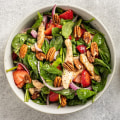
In today's fast-paced world, where health and wellness take center stage, diners are increasingly seeking low-calorie options that taste great. The rise of health-conscious dining trends has transformed restaurant menus, challenging chefs to create meals that not only satisfy the palate but also align with the growing demand for healthier choices. As people become more aware of their dietary habits, the expectation is clear: delicious food doesn’t have to be laden with calories. Instead, it can be a delightful experience that nourishes the body and soul. . The rise of health-conscious dining trends has transformed restaurant menus, challenging chefs to create meals that not only satisfy the palate but also align with the growing demand for healthier choices. As people become more aware of their dietary habits, the expectation is clear: delicious food doesn’t have to be laden with calories. Instead, it can be a delightful experience that nourishes the body and soul.
Whether you are a restaurant owner looking to innovate your menu or a foodie eager to explore culinary delights without the guilt, this article is your guide to discovering mouthwatering low-calorie options that are sure to impress. Join us as we delve into the current trends in restaurant menus, highlighting creative ways to incorporate low-calorie dishes that maintain flavor integrity while catering to health-conscious diners. From vibrant salads bursting with flavor to innovative cooking techniques that enhance taste without excess calories, we will explore how you can elevate your menu offerings while keeping your guests delighted and satisfied. The growing demand for low-calorie options that taste great reflects a broader trend among health-conscious consumers who are increasingly seeking meals that do not compromise on flavor. As more diners prioritize their health without sacrificing their culinary experiences, restaurants are presented with a unique opportunity to innovate and attract a diverse clientele by crafting delicious low-calorie menu items. When designing these dishes, the emphasis should be on enhancing flavor, presentation, and creativity. One effective approach is to utilize various popular ingredients that are low in calories but high in flavor.
Herbs and spices play a vital role in this aspect; they can elevate the taste profile of any dish without adding extra calories. For instance, fresh herbs like basil, cilantro, and parsley can provide vibrant flavors and aromas, while spices such as cumin, paprika, and chili powder can add depth and excitement. Incorporating citrus juices and zests can also enhance flavors while keeping calorie counts low. Alternative cooking methods can further contribute to the development of low-calorie options that taste great. Techniques such as grilling or steaming retain the natural flavors of ingredients while minimizing the need for added fats.
Grilling vegetables or lean proteins infuses them with a smoky flavor, making them more appealing without the extra calories associated with frying or heavy sauces. Steaming not only preserves nutrients but also allows for the natural sweetness of vegetables to shine through, enhancing overall taste. Many well-known restaurants have successfully created low-calorie options that have become crowd favorites. For example, a popular chain might offer grilled chicken salads topped with zesty vinaigrettes that provide flavor without excessive calories. Another example could be a trendy bistro serving zucchini noodles with a robust marinara sauce, appealing to both health-conscious diners and those seeking satisfying comfort food.
These examples demonstrate how restaurants can balance taste with health by prioritizing fresh ingredients and innovative cooking techniques. However, restaurateurs may face potential challenges when designing these dishes. One common hurdle is the perception that low-calorie options lack flavor or are unappetizing. To combat this notion, it is crucial to invest time in recipe development that focuses on bold flavors and appealing presentations. Offering tasting sessions or engaging customers in feedback during the testing phase can also help create dishes that resonate well with diners. Another challenge lies in pricing strategies for these menu items.
While it is essential to keep prices competitive, restaurateurs must also ensure they do not undervalue their offerings. A strategy to consider is employing value-added pricing, where the emphasis is placed on the quality of ingredients and the health benefits associated with them. This approach can justify slightly higher prices while still appealing to cost-conscious consumers who recognize the value of investing in their health. The current trends in health-focused dining significantly influence menu design and consumer choices. Diners are increasingly aware of nutritional information and are motivated to make informed decisions about what they eat.
As a result, menus featuring clear labeling of calorie counts and health benefits can enhance consumer confidence and satisfaction. Moreover, incorporating seasonal ingredients into low-calorie options not only supports local producers but also aligns with consumers' growing preference for sustainability. In conclusion, crafting delicious low-calorie options requires a thoughtful blend of flavor enhancement, creative cooking techniques, and strategic pricing. By embracing current trends in health-focused dining, restaurants can not only meet the demands of health-conscious consumers but also stand out in a competitive market. The journey toward designing these enticing menu items ultimately leads to a win-win scenario for both diners and restaurateurs alike.
Successful Examples from Popular Restaurants
As the demand for low-calorie options that taste great continues to rise, many restaurants are leading the charge by successfully integrating these offerings into their menus.One standout example is Panera Bread, which has developed a range of under-600-calorie meals that are both satisfying and flavorful. Their 'You Pick Two' menu allows customers to combine smaller portions of soups, salads, and sandwiches, enabling them to enjoy a variety of tastes without overindulging. Another notable example is Chipotle, which introduced a 'Lifestyle Bowl' option specifically targeting health-conscious diners. These bowls include nutrient-dense ingredients like brown rice, beans, and fresh vegetables while keeping the calorie count in check. This approach not only appeals to those watching their calorie intake but also attracts customers looking for wholesome, filling meals.
Sweetgreen
, a fast-casual salad chain, offers customizable salads that are designed to be both low in calories and high in flavor.By focusing on fresh, seasonal ingredients and bold dressings, Sweetgreen demonstrates that low-calorie options that taste great can be innovative and appealing. Their commitment to transparency in nutrition also resonates with health-conscious consumers. Lastly, Starbucks has expanded its menu to include a range of low-calorie options, such as their 'Skinny' line of beverages. These drinks use sugar-free syrups and non-fat milk, allowing customers to indulge in their favorite flavors without the guilt. By promoting these lighter options, Starbucks caters to a growing segment of consumers who prioritize health without sacrificing taste.
Creative Cooking Techniques
When it comes to creating low-calorie options that taste great, the cooking techniques employed can make all the difference.By utilizing innovative methods, chefs can enhance flavors while keeping calorie counts low. One effective technique is roasting vegetables. This method caramelizes the natural sugars in vegetables, resulting in a rich, savory flavor without the need for excessive fats or oils. Another approach is to use healthy fats, such as olive oil or avocado oil, sparingly. These fats are not only flavorful but also offer nutritional benefits.
A drizzle of olive oil can elevate the taste of a dish while still adhering to a low-calorie profile. Moreover, incorporating spices and herbs can further enhance flavor without adding calories, making every bite satisfying. Steam cooking is another excellent method to consider. This technique preserves the nutrients and flavors of food, allowing for vibrant dishes that don’t rely on heavy sauces or toppings. Additionally, grilling or broiling proteins can impart a delicious charred flavor, giving meals depth while keeping them light. Finally, embracing the art of marinating can transform lean meats and vegetables into culinary delights.
Utilizing vinegar-based marinades or citrus juices can infuse dishes with flavor without unnecessary calories. By mastering these creative cooking techniques, restaurants can craft low-calorie options that taste great, appealing to health-conscious diners seeking delicious meals that don’t compromise on flavor.
Adapting Menus for Dietary Needs
As the demand for low-calorie options that taste great continues to rise, restaurants must also consider the diverse dietary needs of their patrons. Adapting menus to cater to various dietary requirements not only shows a commitment to customer satisfaction but also enhances the dining experience. This approach can help restaurants attract health-conscious consumers who are looking for meals that align with their dietary preferences. To effectively adapt menus, start by identifying the most common dietary restrictions, such as gluten-free, vegetarian, vegan, and low-carb options. Incorporating continues to rise, restaurants must also consider the diverse dietary needs of their patrons. Adapting menus to cater to various dietary requirements not only shows a commitment to customer satisfaction but also enhances the dining experience. This approach can help restaurants attract health-conscious consumers who are looking for meals that align with their dietary preferences. To effectively adapt menus, start by identifying the most common dietary restrictions, such as gluten-free, vegetarian, vegan, and low-carb options. Incorporating low-calorie options that taste great for these groups can be achieved through creative cooking techniques and ingredient substitutions.For instance, using cauliflower rice instead of traditional rice can significantly reduce calorie counts while still providing a satisfying texture. Moreover, offering customizable dishes allows guests to tailor their meals according to their dietary needs. This flexibility not only enhances customer satisfaction but also encourages diners to explore low-calorie options that taste great without feeling restricted. By clearly marking these options on the menu, restaurants can ensure that health-conscious consumers easily identify meals that fit their dietary preferences. Finally, consider partnering with local farms and suppliers to source fresh, seasonal ingredients that are both nutritious and flavorful. Highlighting these partnerships on the menu not only supports the community but also emphasizes the importance of quality in creating low-calorie options that taste great.
Ultimately, by adapting menus to cater to various dietary needs, restaurants can provide an inclusive dining experience while promoting healthier eating habits.
Flavorful Ingredients for Low-Calorie Dishes
In the quest to create low-calorie options that taste great, the choice of ingredients plays a crucial role. Using specific components that are naturally flavorful can enhance the overall dining experience without piling on unnecessary calories. Here are some key ingredients that can elevate low-calorie dishes:Citrus fruits, such as lemons, limes, and oranges, are excellent for adding brightness and acidity to meals. Their zesty flavors can enhance the taste of various dishes, from salads to seafood, making them feel indulgent without the calorie count.A squeeze of fresh lemon juice or a splash of lime can transform a simple grilled chicken breast into a refreshing and vibrant meal.
Vinegars
, particularly flavored varieties like balsamic, apple cider, or rice vinegar, offer a tangy punch that can elevate even the simplest of ingredients. They work wonders in dressings or marinades, allowing chefs to infuse deep flavors into their meals while keeping calorie counts low. A drizzle of balsamic glaze over roasted vegetables can add sweetness and depth without the need for additional fats. Another category to consider is umami-rich foods. Ingredients such as mushrooms, tomatoes, miso paste, and nutritional yeast are packed with umami flavor, which adds a savory depth that can satisfy cravings without adding excessive calories.Incorporating these ingredients into soups, sauces, or even grain bowls can create satisfying dishes that feel hearty and fulfilling. By focusing on these flavorful ingredients, restaurants can craft low-calorie options that taste great, appealing to health-conscious consumers who do not want to sacrifice flavor for nutrition. This approach not only enhances the menu but also aligns with the growing trend towards health-conscious dining.
Pricing Strategies for Low-Calorie Items
As the demand for low-calorie options that taste great continues to rise, restaurants must develop effective pricing strategies to remain competitive while ensuring profitability. Understanding the balance between affordability and quality is crucial when setting prices for these dishes. One approach is to conduct a market analysis to determine the price points of similar low-calorie items offered by competitors. This analysis helps to identify a competitive range that attracts health-conscious diners without undervaluing the culinary effort and ingredients involved in creating these dishes. Additionally, restaurants should consider the cost of ingredients carefully.Sourcing fresh, high-quality produce and lean proteins may be slightly more expensive, but it can lead to a better overall dining experience and customer satisfaction. Incorporating seasonal ingredients can also help manage costs while maintaining menu appeal. Another effective strategy is to implement tiered pricing for low-calorie options. For instance, offering a range of dishes at different price points allows diners with varying budgets to find something appealing. This method not only maximizes revenue potential but also caters to a wider audience. Promotional tactics can further enhance the attractiveness of low-calorie dishes.
Consider bundling these items with beverages or appetizers at a slightly discounted rate, which encourages customers to try something new while enjoying perceived value. Finally, emphasizing the health benefits and unique flavors of low-calorie options that taste great in marketing materials can justify higher price points. When diners understand the value behind their choices—whether through nutritional benefits or exceptional taste—they are often willing to pay a premium. In conclusion, offering delicious low-calorie options on restaurant menus not only caters to the rising demand among health-conscious consumers but also enhances overall customer experience. By embracing innovation in both flavor and presentation, restaurateurs can create dishes that satisfy taste buds without compromising dietary goals. Listening to consumer preferences is crucial; as diners increasingly seek out health-conscious dining trends, a diverse range of menu offerings can significantly boost customer satisfaction and loyalty.
Ultimately, incorporating these options can set restaurants apart in a competitive market, attracting a wider audience and fostering long-term relationships with patrons.