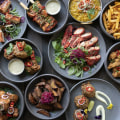
In an ever-evolving culinary landscape, Cultural Influences Shaping Modern Cultural Influences Shaping Modern Restaurant MenusCultural Influences Shaping Modern Restaurant Menus have become a focal point for chefs and restaurateurs alike. As global connectivity increases and travel becomes more accessible, diverse cultures are colliding in the kitchen, giving rise to innovative and exciting dining experiences. Today, diners are not just looking for a meal; they seek an exploration of flavors that tell a story, reflect traditions, and embrace the rich tapestry of global cuisine. The influence of various cultures on restaurant menus is not merely about blending ingredients; it encapsulates a philosophy of culinary creativity that honors heritage while pushing boundaries. From the spicy notes of Southeast Asian street food to the comforting essence of Mediterranean dishes, modern menus are being crafted with an eye toward authenticity and inclusivity.
This article delves into how these cultural influences are shaping contemporary dining, transforming traditional recipes into global sensations, and inspiring chefs to innovate in ways that captivate the palate. As we explore this dynamic intersection of culture and cuisine, we will uncover how societal trends, migration patterns, and the quest for authenticity have led to the rise of fusion cuisine—a testament to the beauty of culinary collaboration. Join us as we navigate through the vibrant world of modern restaurant menus, where every dish served is a reflection of the diverse cultures that inspire them. The modern dining landscape is a vibrant tapestry woven from the myriad of cultural influences that shape restaurant menus. Over time, these influences have evolved, reflecting the dynamic nature of culinary arts and the interconnectedness of global cuisines. As diners become more adventurous, understanding these cultural influences is crucial for restaurateurs who wish to create menus that resonate with a diverse clientele. One of the most prominent examples of this evolution is the rise of fusion cuisine, where traditional dishes from various cultures are combined to create innovative new offerings.
For instance, the popularity of Asian-Mexican fusion has led to the creation of dishes such as sushi burritos or Korean BBQ tacos, which marry the bold flavors of Korean cuisine with the vibrant textures and ingredients of Mexican fare. This blending not only caters to diners’ desires for novelty but also allows chefs to explore new culinary territories. The impact of global flavors on local restaurants cannot be overstated. Diners today seek experiences that reflect a broader world view, leading to menu items that incorporate spices, techniques, and ingredients from around the globe. Restaurants in America, for example, might feature dishes inspired by Middle Eastern spices or South Asian cooking techniques, showcasing how local ingredients can be enhanced by international influences. When discussing menu formats, it’s essential to recognize that different styles can serve different purposes in expressing has led to the creation of dishes such as sushi burritos or Korean BBQ tacos, which marry the bold flavors of Korean cuisine with the vibrant textures and ingredients of Mexican fare. This blending not only caters to diners’ desires for novelty but also allows chefs to explore new culinary territories. The impact of global flavors on local restaurants cannot be overstated. Diners today seek experiences that reflect a broader world view, leading to menu items that incorporate spices, techniques, and ingredients from around the globe. Restaurants in America, for example, might feature dishes inspired by Middle Eastern spices or South Asian cooking techniques, showcasing how local ingredients can be enhanced by international influences. When discussing menu formats, it’s essential to recognize that different styles can serve different purposes in expressing cultural themes.
A la carte menus allow diners to customize their experience, often reflecting a chef’s interpretation of various cuisines through individual dishes. In contrast, prix fixe menus can provide a curated journey through a restaurant’s offerings, encouraging diners to experience multiple courses that highlight cultural narratives and seasonal ingredients. Tasting menus, meanwhile, can serve as an immersive experience, showcasing a chef’s mastery and creative vision while drawing upon diverse culinary traditions. Pricing strategies are also informed by cultural contexts and consumer expectations. In many cultures, dining is not merely about nourishment but also about social interaction and celebration.
Consequently, restaurants may adopt pricing models that reflect these values, offering family-style sharing options or special occasion menus at higher price points. Understanding the target audience’s cultural background can greatly influence how a restaurant positions itself within the competitive landscape. Moreover, modern diners are increasingly conscious of dietary options such as vegetarian, vegan, gluten-free, and allergen-friendly choices. The demand for inclusive menu offerings reflects broader societal shifts towards health consciousness and ethical eating practices. Restaurants that successfully integrate these options not only cater to contemporary diners but also demonstrate an understanding of the diverse values held by their clientele. Current trends in Consequently, restaurants may adopt pricing models that reflect these values, offering family-style sharing options or special occasion menus at higher price points. Understanding the target audience’s cultural background can greatly influence how a restaurant positions itself within the competitive landscape. Moreover, modern diners are increasingly conscious of dietary options such as vegetarian, vegan, gluten-free, and allergen-friendly choices. The demand for inclusive menu offerings reflects broader societal shifts towards health consciousness and ethical eating practices. Restaurants that successfully integrate these options not only cater to contemporary diners but also demonstrate an understanding of the diverse values held by their clientele. Current trends in menu design have also evolved alongside these cultural influences.
Visual appeal plays a significant role in attracting customers; hence, menus are often designed with striking graphics and clear descriptions that emphasize the cultural origins of dishes. Additionally, with the rise of digital platforms, many restaurants have adapted their menus for online viewing, utilizing engaging visuals and interactive elements to enhance the customer experience. Several case studies highlight successful integration of cultural influences into restaurant menus. For instance, a well-known eatery in New York City has garnered attention for its eclectic menu that features dishes inspired by African, Asian, and European cuisines. Their signature dish—a Moroccan-spiced lamb tagine served with an Italian polenta—reflects both innovation and respect for traditional cooking methods.
Similarly, a restaurant in Los Angeles has thrived by focusing on plant-based interpretations of classic comfort foods from various cultures, tapping into the vegan trend while celebrating culinary diversity. However, as restaurants navigate these waters, debates often arise surrounding authenticity versus innovation in menu creation. Some purists argue that fusion cuisine can dilute traditional dishes and misrepresent cultural heritage. On the other hand, proponents contend that culinary evolution is inevitable and necessary for growth in the food industry. This ongoing dialogue underscores the importance of balancing respect for cultural traditions with a willingness to innovate and adapt to contemporary tastes. In conclusion, cultural influences play an integral role in shaping modern restaurant menus, driving trends in fusion cuisine, dietary inclusivity, and innovative design.
By embracing these influences while catering to diverse preferences, restaurants can create memorable dining experiences that reflect both global interconnectedness and individual creativity.
Pricing Strategies in Diverse Markets
Understanding cultural influences is crucial for developing effective pricing strategies in the restaurant industry. Different cultures have distinct perceptions of value, which significantly affects pricing expectations. For instance, in some cultures, dining out is viewed as a luxury experience, prompting customers to expect higher prices and premium offerings. Conversely, in other contexts, affordability may be prioritized, making competitive pricing essential. Furthermore, cultural norms dictate not only what customers are willing to pay but also how they respond to pricing structures.For example, in markets where communal dining is prevalent, restaurants may adopt family-style pricing or offer larger portion sizes at a discounted rate to align with customer expectations. Additionally, understanding regional economic factors can help restaurateurs set prices that resonate with local clientele. In affluent areas, higher price points may be justified by emphasizing quality and exclusivity, while in more budget-conscious neighborhoods, restaurants might implement value-based pricing strategies that highlight affordability without compromising on taste or experience. It’s also important to consider dietary trends influenced by cultural backgrounds. As more consumers seek out health-conscious options or specific dietary requirements, restaurants can leverage this knowledge to create specialized menus that justify premium pricing. For instance, offering organic or locally sourced ingredients can attract diners willing to pay more for perceived health benefits. In summary, a nuanced understanding of the cultural context surrounding pricing strategies is essential for restaurant owners aiming to cater to diverse markets effectively.
By aligning menu offerings and prices with customer expectations shaped by cultural influences, restaurants can enhance their appeal and drive profitability.
Dietary Options: Catering to Modern Preferences
In today’s culinary landscape, the importance of accommodating diverse dietary needs on modern menus cannot be overstated. As cultural influences permeate the dining experience, restaurants must evolve to meet the expectations of a diverse clientele. This evolution is driven by a growing awareness of various dietary preferences, including vegetarianism, veganism, gluten-free, and paleo diets, among others.Understanding dietary restrictions
is crucial for restaurants aiming to attract a wide range of customers. Many diners are now more health-conscious and environmentally aware, leading to an increased demand for options that align with their values and lifestyles.As a result, menus that incorporate varied dietary choices not only enhance customer satisfaction but also expand a restaurant's appeal. Moreover, the rise of social media has amplified the visibility of dietary options. Diners often share their culinary experiences online, making it essential for restaurants to offer dishes that cater to different dietary needs to encourage positive reviews and recommendations. A menu that thoughtfully includes diverse options can foster a welcoming atmosphere and build customer loyalty. Additionally, adapting to these preferences is an opportunity for culinary creativity. Chefs can experiment with innovative ingredients and techniques to create dishes that satisfy both dietary restrictions and flavor profiles.
This not only showcases the restaurant's commitment to inclusivity but also highlights the chef's skills and ingenuity. In conclusion, understanding and implementing diverse dietary options in modern restaurant menus is not just a trend; it's a necessity. By embracing this shift, restaurants can better serve their customers and stay relevant in an ever-evolving gastronomic landscape.
The Role of Global Flavors
Global flavors play a pivotal role in shaping modern restaurant menus, reflecting the rich tapestry of cultural influences that define contemporary dining experiences. Each culture brings its own unique ingredients, cooking techniques, and traditional dishes, contributing to a vibrant culinary landscape that captivates diners around the world. For instance, Asian cuisines, such as Thai and Japanese, are renowned for their bold flavors and intricate balance of sweet, sour, salty, and spicy elements. Ingredients like lemongrass, ginger, and soy sauce have found their way into mainstream menus, allowing chefs to create dishes that resonate with a diverse clientele. Similarly, Latin American cuisines offer a plethora of unique flavors through the use of fresh herbs, spices, and vibrant ingredients like avocados, chiles, and beans.The growing popularity of street food-inspired menus has introduced items such as tacos and empanadas into various dining settings, further enriching the culinary scene. The influence of Mediterranean diets is also notable, where an emphasis on fresh vegetables, olive oil, and grains not only caters to health-conscious consumers but also introduces diners to a spectrum of flavors that celebrate simplicity and quality. This has led many restaurants to incorporate elements of Mediterranean cuisine into their offerings, enhancing their appeal. Moreover, the concept of fusion cuisine exemplifies how global flavors can be creatively combined to produce innovative dishes that surprise and delight patrons. Chefs are increasingly experimenting with cross-cultural combinations, such as Korean BBQ tacos or sushi burritos, which not only showcase unique flavor profiles but also reflect the interconnectedness of global culinary traditions. As restaurants strive to cater to a more diverse clientele, understanding the significance of these global flavors becomes essential. By embracing cultural influences and adapting menus to reflect varied tastes and dietary preferences, restaurants can create an inclusive dining experience that resonates with patrons from all walks of life.
Current Trends in Menu Design
As the culinary landscape evolves, menu design has become an integral aspect of the dining experience, reflecting both aesthetics and functionality.Modern restaurants are increasingly focusing on creating visually appealing menus that also cater to the needs of diverse patrons. One significant trend in menu aesthetics is the use of vibrant colors and engaging visuals. Restaurants are now incorporating high-quality images of dishes, which not only entice customers but also provide a clear representation of what to expect. This visual approach helps in setting the mood and enhances the overall dining experience. In addition to aesthetics, functionality plays a crucial role in menu design. With the rise of technology, many establishments are adapting their menus for digital platforms.
Online menus are becoming more interactive, allowing diners to filter options based on dietary preferences, allergens, and even personal tastes. This not only streamlines the ordering process but also empowers customers to make informed choices. Moreover, restaurants are increasingly adopting fusion cuisine elements into their menus, reflecting cultural influences from around the globe. This trend is evident in the way chefs blend traditional recipes with modern techniques and global flavors, appealing to a broader audience. The growing emphasis on sustainability is also influencing menu design. Many restaurants now highlight locally sourced ingredients and eco-friendly practices directly on their menus, appealing to environmentally conscious diners. Ultimately, the current trends in menu design showcase a blend of creativity and practicality.
By understanding these trends, restaurateurs can create menus that not only attract customers but also enhance their dining experience while accommodating diverse preferences.
Fusion Cuisine: Blending Traditions
Fusion cuisine has emerged as a vibrant and dynamic aspect of the culinary world, where chefs creatively merge diverse culinary traditions to craft innovative dining experiences. This practice not only celebrates the rich tapestry of global flavors but also reflects the evolving nature of food culture in our interconnected world. By combining ingredients, techniques, and presentation styles from different regions, restaurants are able to push the boundaries of traditional dishes. For instance, the incorporation of Asian spices into classic Italian pasta dishes can result in unique flavors that excite the palate and offer diners something new. This blending of culinary traditions allows chefs to showcase their creativity while honoring the heritage of each cuisine. The appeal of fusion cuisine lies in its ability to cater to diverse tastes and preferences, making it particularly relevant in today's multicultural societies.Diners are increasingly seeking out experiences that reflect their own backgrounds or introduce them to new culinary landscapes. Restaurants that embrace this trend often find themselves at the forefront of culinary innovation, drawing in customers eager to explore exciting flavor combinations. Moreover, the rise of dietary restrictions and preferences, such as veganism or gluten-free diets, has prompted chefs to adapt traditional recipes in imaginative ways. For example, a restaurant might take a classic Mexican taco and reimagine it using cauliflower tortillas and Asian-inspired fillings, creating a dish that respects both culinary traditions while meeting modern dietary needs. In conclusion, fusion cuisine is more than just a trend; it represents a movement towards inclusivity and creativity within the culinary arts. By blending traditions, restaurants not only create memorable dining experiences but also foster an appreciation for the cultural influences that shape our food landscape.
Menu Types and Their Cultural Implications
Menu formats play a crucial role in the dining experience, reflecting not only the culinary offerings but also the cultural practices and dining habits of different societies.From a la carte to buffet, each menu type carries its own cultural significance and implications. The a la carte menu, for instance, is prevalent in Western dining traditions. This format allows diners to select individual dishes from a list, promoting a sense of choice and personalization that aligns with Western values of individualism. It often encourages a leisurely dining experience, where patrons savor each course at their own pace. In contrast, the table d'hôte menu offers a fixed selection of courses at a set price, commonly found in French cuisine. This format reflects communal dining practices, emphasizing shared experiences and the joy of collective meals.
It is designed to streamline service and enhance the social atmosphere among diners. The buffet style menu, popular in various cultures around the world, allows for a wide array of dishes to be presented simultaneously. This format not only caters to diverse tastes but also embodies cultural celebrations where abundance and variety are key themes. Buffets encourage exploration and interaction, fostering a more casual dining experience. Moreover, the rise of food trucks and pop-up restaurants has introduced innovative menu types that reflect contemporary urban culture and trends. These formats often focus on specific cuisines or fusion dishes, catering to the evolving preferences of modern diners who seek convenience and unique flavors. Understanding these various menu types is essential for restaurant owners and chefs as they craft menus that resonate with their target audience.
By appreciating the cultural implications behind different formats, restaurateurs can create offerings that not only satisfy palates but also foster connections between diners and the culinary traditions they represent. In conclusion, the exploration of cultural influences shaping modern restaurant menus has highlighted the dynamic evolution of culinary practices and preferences. From the role of global flavors to the art of fusion cuisine, we have seen how blending traditions can create unique dining experiences that resonate with a diverse clientele. The discussion on menu types and their cultural implications further emphasizes the need for restaurant owners and chefs to be attuned to the varied tastes and dietary needs of their patrons. Moreover, understanding pricing strategies in diverse markets is crucial for ensuring that menus are not only appealing but also accessible. As we navigate the modern dining landscape, it is imperative to incorporate dietetary options that cater to evolving consumer preferences. To remain competitive, it is essential for culinary professionals to stay informed about current trends in menu design and to embrace the rich tapestry of cultural influences available to them.
By doing so, they can attract a wider audience and create memorable dining experiences that celebrate diversity.