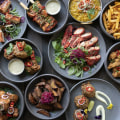
In today's culinary landscape, the demand for gluten-free dishes is on the rise. With more individuals choosing gluten-free diets for health reasons, allergies, or lifestyle preferences, restaurants must adapt to this shift in consumer behavior. Effective promotion of gluten-free options can not only attract a wider audience but also enhance customer loyalty and satisfaction. However, many establishments struggle to showcase these offerings in a way that resonates with diners.
This article delves into innovative strategies for promoting gluten-free dishes effectively, ensuring that your restaurant stands out in a competitive market. By understanding the unique needs of gluten-sensitive customers and employing targeted marketing techniques, you can create an inviting atmosphere that celebrates inclusivity and culinary creativity. From mouthwatering descriptions to visually appealing presentations, the way you promote your gluten-free menu can make all the difference. Join us as we explore essential tips and tricks that will elevate your restaurant's approach to gluten-free dining, making it not just a necessity but a delightful choice for all patrons. The increasing demand for gluten-free options in dining has become a significant trend in the restaurant industry. As more consumers become aware of gluten sensitivities and celiac disease, restaurants must adapt to these changing preferences. , ensuring that your restaurant stands out in a competitive market. By understanding the unique needs of gluten-sensitive customers and employing targeted marketing techniques, you can create an inviting atmosphere that celebrates inclusivity and culinary creativity. From mouthwatering descriptions to visually appealing presentations, the way you promote your gluten-free menu can make all the difference. Join us as we explore essential tips and tricks that will elevate your restaurant's approach to gluten-free dining, making it not just a necessity but a delightful choice for all patrons. The increasing demand for gluten-free options in dining has become a significant trend in the restaurant industry. As more consumers become aware of gluten sensitivities and celiac disease, restaurants must adapt to these changing preferences.
One effective strategy for promoting gluten-free dishes is to ensure that all gluten-free items are clearly labeled on menus. This can be achieved by utilizing recognizable symbols or color coding that makes it easy for customers to identify gluten-free offerings at a glance. For instance, some restaurants have adopted a bright green symbol next to gluten-free dishes, while others use a specific font style to differentiate these items from the rest of the menu. Successful restaurant menu designs that prominently feature gluten-free options demonstrate how clarity can enhance customer experience. Establishments like "The Gluten-Free Bistro" showcase their gluten-free menu section with bold headers and visually appealing layouts, making it immediately clear which dishes cater to gluten-sensitive diners.
This not only improves the customer experience but also signals to patrons that the restaurant is attentive to their dietary needs.Pricing strategies are another crucial aspect when it comes to promoting gluten-free dishes. While it's essential to consider ingredient costs, restaurants should emphasize value perception in their pricing. For example, offering a gluten-free dish at a slightly higher price point can be justified if the ingredients are premium or locally sourced. Highlighting the quality and benefits of these dishes can help customers feel they are receiving good value for their money, making them more likely to choose gluten-free options. Moreover, training staff on the importance of understanding This not only improves the customer experience but also signals to patrons that the restaurant is attentive to their dietary needs. Pricing strategies are another crucial aspect when it comes to promoting gluten-free dishes. While it's essential to consider ingredient costs, restaurants should emphasize value perception in their pricing. For example, offering a gluten-free dish at a slightly higher price point can be justified if the ingredients are premium or locally sourced. Highlighting the quality and benefits of these dishes can help customers feel they are receiving good value for their money, making them more likely to choose gluten-free options. Moreover, training staff on the importance of understanding gluten-free dietary needs is vital to enhancing the overall customer experience.
Employees should be well-versed in identifying gluten-free ingredients and understanding cross-contamination risks. Implementing regular training sessions can ensure that staff members are equipped to answer questions confidently and provide recommendations, further establishing trust with customers who require gluten-free meals. In today’s digital age, integrating online platforms for menu presentation is increasingly important. Restaurants should adapt their menus for digital formats, ensuring that gluten-free options are prominently displayed on websites and food delivery apps. By creating an easy-to-navigate online menu that highlights gluten-free dishes, restaurants can reach a broader audience and cater to customers who prefer browsing menus before dining out. Current trends suggest that seasonal gluten-free dishes can also attract more customers.
Offering limited-time gluten-free specials that align with seasonal ingredients not only keeps the menu fresh but also encourages repeat visits from health-conscious diners. Collaborating with local gluten-free brands can further enhance this appeal, as customers appreciate supporting local businesses while enjoying safe dining options. Finally, addressing potential concerns about cross-contamination is crucial for restaurants aiming to promote their gluten-free offerings effectively. Clear communication about safety measures, such as designated preparation areas or separate cooking utensils for gluten-free dishes, can alleviate customer worries. Providing this information in both verbal communication and written form on menus or signage demonstrates a commitment to safety and enhances customer confidence in choosing gluten-free options.
Staff Training on Gluten Sensitivity
In the modern dining landscape, staff training on gluten sensitivity has become an essential component for restaurants looking to effectively promote gluten-free dishes.With the increasing number of individuals diagnosed with celiac disease and those choosing to follow a gluten-free lifestyle for health reasons, it is crucial that restaurant staff are well-informed about the implications of gluten consumption. Educating staff about gluten-free diets not only enhances the overall dining experience for customers with dietary restrictions but also minimizes the risk of cross-contamination in the kitchen. This training should cover the basics of what gluten is, common sources of gluten, and how to identify safe ingredients. When staff members are knowledgeable about these aspects, they can confidently assist customers in making informed choices. Furthermore, when restaurant employees understand the significance of gluten sensitivity, they can communicate effectively with customers who have questions or concerns. This level of understanding fosters trust and loyalty among guests who require gluten-free options, ultimately benefiting the restaurant's reputation and customer retention.
By prioritizing staff training on gluten sensitivity, restaurants can create an inclusive environment that embraces all diners.
Pricing Strategies for Gluten-Free Dishes
When it comes to pricing gluten-free dishes, restaurants must strike a balance between competitiveness and quality. The perception of gluten-free items often includes a belief that they are premium products due to the specialized ingredients and preparation required. Therefore, it's crucial for restaurants to set prices that reflect both the cost of production and the value offered to customers. To effectively price gluten-free options, consider conducting market research to analyze how similar establishments are pricing their gluten-free dishes. Understanding the local market can help in setting a competitive price point that attracts gluten-sensitive diners while ensuring that the restaurant maintains profitability. Additionally, it may be beneficial to offer gluten-free dishes at a slightly higher price than their gluten-containing counterparts, as long as this is justified by the quality of ingredients and the preparation process.Transparency about the sourcing of gluten-free ingredients can also enhance perceived value, allowing restaurants to justify a higher price. Furthermore, consider implementing bundling strategies, where gluten-free items are offered as part of a meal deal. This can help in attracting customers who may be hesitant about the price of standalone gluten-free dishes. By providing value through these bundles, restaurants can increase customer satisfaction while effectively promoting gluten-free options.Ultimately, the key to successful pricing strategies for gluten-free dishes lies in understanding customer expectations, maintaining high quality, and communicating the unique value these dishes bring to the dining experience.
Clear Labeling and Menu Design
In the world of dining, clear labeling and menu design play pivotal roles in effectively promoting gluten-free dishes. As the demand for gluten-free options continues to rise, restaurants must adopt strategies that make these choices easily identifiable for customers who are gluten-sensitive.One effective strategy is to use distinct symbols or icons next to gluten-free dishes. For instance, a simple green check mark or a gluten-free logo can immediately draw attention to safe options. Additionally, utilizing a different color scheme for gluten-free sections of the menu can help these items stand out. This visual differentiation not only aids those with dietary restrictions but also enhances the overall dining experience. Another important aspect of menu design is clear wording.
Descriptive language that highlights the absence of gluten while emphasizing flavor and quality can entice customers. For example, instead of simply labeling a dish as “gluten-free,” consider phrases like “deliciously crafted without gluten” or “savor the taste, free from gluten.” This approach reassures diners about their choices while showcasing the care taken in meal preparation. Furthermore, providing detailed information about ingredients and preparation methods can build trust with customers who require gluten-free options. Including a note on how cross-contamination is prevented in the kitchen can significantly enhance confidence in your offerings. In summary, by focusing on clear labeling and thoughtful menu design, restaurants can effectively promote their gluten-free dishes, making it easier for customers to choose meals that align with their dietary needs while also enhancing their overall dining experience.
Current Trends in Gluten-Free Dining
In recent years, the demand for gluten-free dishes has surged, leading to significant trends in the dining industry that cater to this growing market. Restaurants are increasingly recognizing the importance of offering gluten-free options to attract a diverse clientele, including those with gluten sensitivities and those opting for healthier lifestyles. One notable trend is the rise of creative gluten-free alternatives.Chefs are innovating by using alternative grains such as quinoa, brown rice, and millet to create unique pasta, bread, and baked goods. This not only provides delicious options for those avoiding gluten but also enhances the overall menu appeal. Another emerging trend is the emphasis on cross-contamination awareness. More restaurants are implementing strict protocols to ensure that gluten-free dishes are prepared safely without any risk of contamination from gluten-containing ingredients. This not only builds trust with customers but also enhances the restaurant's reputation for quality and care. The trend of plant-based and healthy eating has also intersected with gluten-free dining.
Many establishments are now focusing on incorporating more vegetables, legumes, and other wholesome ingredients into their gluten-free menus. This aligns with health-conscious consumers' desires for nutritious and satisfying meals. Furthermore, the demand for transparency in ingredient sourcing is becoming crucial. Diners are increasingly interested in knowing where their food comes from, prompting restaurants to feature locally sourced and organic ingredients in their gluten-free dishes. This not only supports local farmers but also appeals to environmentally conscious consumers. Lastly, social media plays a vital role in promoting gluten-free dining.
Restaurants that utilize platforms like Instagram and Facebook to showcase their gluten-free options can attract a larger audience. Eye-catching photos of beautifully plated gluten-free meals can inspire diners to visit and try these innovative offerings.
Adapting Menus for Online Platforms
In the digital age, it is essential for restaurants to effectively showcase their gluten-free options on online platforms. With more consumers turning to the internet to explore dining choices, adapting menus for online visibility is crucial. Here are some best practices to ensure that your gluten-free dishes are prominently featured and easily accessible. First, ensure that your website has a dedicated section for gluten-free options.This not only helps customers quickly find what they are looking for but also demonstrates your commitment to catering to dietary needs. Use clear headings and subheadings to organize these items effectively. Next, utilize high-quality images that visually represent your gluten-free dishes. Mouth-watering photos can entice potential customers and encourage them to choose your restaurant over others. Make sure these images are well-lit and showcase the dish from various angles. Additionally, consider adding detailed descriptions of each gluten-free option.
Include information about ingredients, preparation methods, and any certifications that confirm the dishes meet gluten-free standards. This transparency builds trust with customers who may have dietary restrictions. Moreover, leverage social media platforms to highlight your gluten-free offerings. Share posts featuring your dishes, customer testimonials, or behind-the-scenes content about how you prepare these meals safely. Engaging with customers through social media can increase awareness and interest in your gluten-free menu. Lastly, remember to keep your online menus updated.
As you introduce new gluten-free dishes, remove any that are no longer available. An up-to-date menu reflects professionalism and enhances the customer experience. In conclusion, promoting gluten-free dishes effectively is crucial for restaurants aiming to meet the rising demand for dietary options. By implementing strategies such as clear labeling and menu design, staff training on gluten sensitivity, and adapting menus for online platforms, restaurants can enhance customer satisfaction. Furthermore, these practices not only cater to gluten-sensitive patrons but also attract a broader audience looking for health-conscious eating choices. As we have discussed, embracing current trends in gluten-free dining can significantly improve a restaurant's market reach.
The potential for increased revenue through well-promoted gluten-free options is substantial, making it a worthwhile investment for any dining establishment.