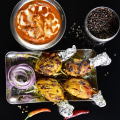
In a world where culinary experiences are increasingly shared through social media and online platforms, using food photography effectively has become an essential skill for restaurateurs, chefs, and menu designers alike. The right image can evoke emotions, stimulate appetites, and ultimately drive sales. As the adage goes, we eat with our eyes first, and this couldn't be truer in the digital age.
Harnessing the power of food photography for menus
is not just about capturing a dish; it's about telling a story that resonates with customers and enhances their dining experience. The visuals on your menu play a pivotal role in shaping customer perceptions and influencing their choices.A well-composed photograph can highlight the freshness of ingredients, the artistry of plating, and the overall ambiance of your establishment. But how do you ensure that your food photography stands out in an oversaturated market? What techniques can you employ to create mouthwatering images that compel customers to order?This article will delve into the best practices for integrating food photography into your menu design. From understanding lighting and composition to selecting the right style that aligns with your brand identity, we will explore how you can elevate your menu through stunning imagery. Whether you're revamping an existing menu or designing a new one from scratch, these insights will empower you to make informed decisions that enhance your restaurant’s appeal. Join us as we unlock the secrets to using food photography effectively, transforming your menus into visual feasts that invite customers to indulge in your culinary creations.
Using food photography effectively
plays a crucial role in the design of restaurant menus, significantly influencing customer perception and choices.The visual appeal of a menu can evoke emotions, stimulate appetite, and ultimately drive sales. In an era where diners are bombarded with choices, captivating imagery can be the deciding factor that sways a customer's selection towards one dish over another. High-quality images not only serve to showcase the aesthetic beauty of a dish but also communicate its freshness, flavor, and overall quality. For instance, a well-captured photo of a vibrant salad can convey a sense of healthiness and freshness that text alone cannot achieve. Restaurants that have successfully utilized food photography in their menus often see enhanced customer engagement and satisfaction.
For example, establishments like Café Gratitude and The Cheesecake Factory have made food photography an integral part of their menu design. Their menus feature striking images that tantalize the taste buds and encourage diners to explore different offerings. This not only enhances the dining experience but also creates a memorable impression that can lead to repeat business. The impact of food photography can vary based on the type of menu presented. For instance, à la carte menus benefit from individual dish photographs that allow customers to visualize their selections, while tasting menus may utilize a more artistic approach, showcasing a series of smaller plates in an elegant manner.
Here, the focus is on creating a narrative through imagery that guides diners through a culinary journey. Tailoring photography styles to fit different menu types ensures that each dining experience is unique and aligned with the restaurant's overall branding. Here, the focus is on creating a narrative through imagery that guides diners through a culinary journey. Tailoring photography styles to fit different menu types ensures that each dining experience is unique and aligned with the restaurant's overall branding.Pricing strategies are also influenced by the quality of food imagery. High-quality visuals can justify higher price points by enhancing perceived value. When customers see beautifully styled dishes that look delicious and fresh, they are more likely to believe that the price reflects the quality of the meal. Here, the focus is on creating a narrative through imagery that guides diners through a culinary journey. Tailoring photography styles to fit different menu types ensures that each dining experience is unique and aligned with the restaurant's overall branding. Pricing strategies are also influenced by the quality of food imagery. High-quality visuals can justify higher price points by enhancing perceived value. When customers see beautifully styled dishes that look delicious and fresh, they are more likely to believe that the price reflects the quality of the meal.
For instance, a gourmet burger presented in an enticing way may convince diners to pay more than they would for a standard fast-food option. This perceived value is crucial in positioning the restaurant within its competitive landscape. Additionally, addressing dietary options through food photography can be an effective strategy for attracting diverse clientele. Vegetarian, vegan, gluten-free, and other dietary considerations can be visually represented in appealing ways that highlight their flavors and textures. Beautifully styled plant-based dishes or gluten-free desserts can challenge stereotypes about these options being less appetizing, enticing customers to explore them further. Current trends in food photography also play a significant role in how dishes are presented on menus.
Styling techniques have evolved to include more natural lighting, minimalistic backgrounds, and thoughtful compositions that draw attention to the food itself. Color theory is another essential element; incorporating contrasting colors can make dishes pop off the page and catch the eye of potential customers. Restaurants should stay attuned to these trends to ensure their menus remain contemporary and visually appealing. As digital platforms become increasingly important for restaurant promotion, adapting food photography for online menus is crucial. Optimized images that cater to various dietary needs can attract a wider audience when shared on social media or restaurant websites.
Clear, high-resolution images that highlight specific dietary attributes—such as vegan labels or gluten-free icons—can enhance online visibility and cater to health-conscious consumers looking for options that fit their lifestyles. In conclusion, harnessing the power of food photography in menu design not only enhances customer perception but also plays a vital role in driving sales and creating memorable dining experiences. By utilizing high-quality imagery tailored to various menu types and addressing dietary preferences, restaurants can effectively engage customers and elevate their brand presence in an increasingly visual marketplace.
Current Trends in Food Photography
In today’s digital age, food photography has evolved into an essential element of restaurant marketing. As diners increasingly rely on visual cues when selecting where to eat, staying updated with the latest trends can significantly enhance a restaurant's appeal. One prominent trend is the use of natural lighting.Photographers are now favoring natural light over artificial sources to capture the authentic colors and textures of food. This approach not only makes dishes look more appetizing but also creates a warm, inviting atmosphere that resonates with customers. Another trend is the shift towards minimalism. Simple, uncluttered backgrounds allow the food to take center stage, emphasizing its quality and presentation. This technique helps to communicate a brand’s identity clearly while avoiding distractions that could detract from the culinary experience. Additionally, the rise of social media has led to a surge in stylized compositions.
Restaurants are adopting unique angles, vibrant props, and creative arrangements to make their dishes stand out in crowded feeds. Such stylized images not only capture attention but also encourage sharing, amplifying a restaurant's reach. Moreover, there is a growing preference for authenticity. Customers are drawn to images that depict real-life dining experiences rather than overly staged shots. Candid photos of diners enjoying meals or behind-the-scenes glimpses into kitchen preparations can create a relatable connection with potential patrons. Lastly, integrating seasonal elements into food photography is becoming increasingly popular.
By showcasing seasonal ingredients or holiday-themed presentations, restaurants can evoke specific emotions and entice customers to try new dishes that align with current trends. By embracing these contemporary trends in food photography, restaurants can create visually compelling menus that not only attract customers but also enhance their overall dining experience.
The Importance of Visual Appeal
Visual appeal plays a crucial role in menu design, serving as the first impression for customers as they explore their dining options. When patrons glance at a menu, their eyes are naturally drawn to images that tantalize their senses and provoke hunger.Food photography
that is well-executed can evoke emotions, memories, and cravings, making it an essential tool for restaurant owners looking to enhance their offerings. Research indicates that customers are more likely to order items that are visually appealing. A well-designed menu featuring high-quality images can create a sense of excitement and anticipation for the meal ahead.It helps customers visualize their choices, making them feel more confident about their selections. This is particularly important in a competitive market where numerous dining options vie for attention. Furthermore, as the trend of online dining platforms continues to grow, the need for effective imagery has become even more significant. Restaurants must present their dishes in an enticing manner to stand out in a sea of competition. High-quality It helps customers visualize their choices, making them feel more confident about their selections. This is particularly important in a competitive market where numerous dining options vie for attention. Furthermore, as the trend of online dining platforms continues to grow, the need for effective imagery has become even more significant. Restaurants must present their dishes in an enticing manner to stand out in a sea of competition. High-quality food photography not only attracts customers but also reflects the quality and care that goes into the culinary creations. In summary, prioritizing visual appeal in menu design is essential for influencing customer decision-making and enhancing the overall dining experience.
By leveraging the power of stunning food imagery, restaurants can create a lasting impression and encourage customers to indulge in their offerings.
Adapting Menus for Online Platforms
In today's digital age, having an attractive online menu is essential for restaurants looking to engage customers effectively.Using food photography effectively
can make a significant difference in how potential diners perceive your offerings. To create visually appealing menu images optimized for online viewing, consider the following strategies:First, invest in high-quality photography. Professional images that showcase your dishes in the best light can capture attention and entice customers to visit your restaurant.Ensure that each image highlights the textures, colors, and presentation of the food, making it look as appetizing as possible. Next, pay attention to composition. Use natural lighting to enhance the visual appeal of your dishes and experiment with different angles to find the most flattering perspective. A well-composed photograph can draw the viewer's eye and evoke a sense of desire for the food. Additionally, consider the context in which your food is presented. Incorporate elements that reflect your restaurant's ambiance or theme, such as table settings or background props that complement the dish.
This not only enhances the image but also provides an insight into the dining experience you offer. Moreover, optimize your images for different online platforms. Each platform may have specific size requirements or guidelines for image quality. Ensure that your photos are appropriately sized and compressed without losing quality to maintain fast loading times on your website and social media. Lastly, don't forget about the importance of captions and descriptions. Pairing your images with enticing descriptions can further engage potential customers.
Use descriptive language that highlights key ingredients, preparation methods, or unique aspects of each dish to create a narrative that captivates your audience. By implementing these strategies when adapting menus for online platforms, restaurants can leverage the power of food photography to attract more customers and enhance their overall dining experience.
Types of Menus and Photography Styles
When it comes to restaurant menus, the type of menu you choose can significantly impact the style of food photography you should use. Each menu type has its unique characteristics and target audience, which can dictate how you present your dishes visually. Here, we will explore several common types of menus and the corresponding photography styles that work best for them.A La Carte Menus
offer individual dishes priced separately, allowing for a diverse selection. For these menus, food photography should focus on individual plates, showcasing the details and textures of each dish.Close-up shots that highlight the ingredients and presentation are essential in enticing customers to explore their options.
Buffet Menus
, on the other hand, present a variety of dishes laid out for self-service. In this case, wide-angle shots work well to capture the entire spread. It's important to photograph the vibrant colors and diverse arrangements to create an inviting atmosphere. The goal is to make the buffet look abundant and appealing, encouraging diners to indulge.Tasting Menus
, often found in fine dining establishments, feature a curated selection of small courses.Here, photography should emphasize artistry and sophistication. Use elegant plating techniques as a focal point and consider incorporating atmospheric elements like soft lighting or textured backgrounds to enhance the visual experience.
Specialty Menus
, such as vegan or gluten-free options, benefit from photography that highlights freshness and healthiness. Focus on vibrant colors and natural ingredients. Lifestyle shots showing people enjoying the food can also convey a sense of community and lifestyle alignment with the target audience. Understanding the different types of menus allows restaurant owners to adjust their photography styles accordingly, ensuring that their food imagery resonates with their customers' preferences and enhances the overall dining experience.Pricing Strategies Through Imagery
In the competitive landscape of the restaurant industry, effective food photography plays a crucial role not only in attracting customers but also in shaping their perception of pricing.When potential diners see high-quality images of menu items, it creates an immediate sense of value and quality associated with those dishes. A well-composed photograph can evoke emotions and memories, making the food appear more desirable, which can justify higher price points. Moreover, food photography can strategically highlight premium ingredients or unique presentation styles, signaling to customers that they are paying for an exceptional dining experience. For instance, if a restaurant showcases a beautifully plated dish featuring artisanal ingredients through stunning visuals, it positions that dish as a luxury item. Consequently, customers may be more willing to pay a premium price for what they perceive to be an elevated culinary experience. Additionally, pricing strategies can be influenced by the context in which food images are presented.
For example, menu items accompanied by enticing photos can lead diners to choose higher-priced options over standard fare. This is especially true in digital menus or online platforms where visual stimuli can heavily impact consumer decisions. Restaurants that utilize high-quality imagery are not just selling food; they are selling an experience, and this perception can significantly elevate their pricing strategy. Furthermore, the consistency in imagery across a menu can reinforce brand identity and establish a sense of trust with customers. If all menu items are photographed in a similar style, it suggests professionalism and attention to detail.
This consistency allows restaurants to maintain pricing integrity across their offerings, as customers feel confident that they are receiving value for their money. In conclusion, incorporating food photography into pricing strategies is essential for restaurants aiming to enhance their perceived value and increase profitability. By presenting dishes in an appealing manner, restaurants not only attract customers but also create a justification for their pricing decisions, ultimately leading to higher sales and customer satisfaction. In conclusion, the article has highlighted the importance of effective food photography in enhancing restaurant menus. By understanding the visual appeal that compelling imagery brings, restaurant owners can significantly influence customer choices and elevate the overall dining experience. We explored various types of menus and photography styles, demonstrating how strategic imagery can also play a role in pricing strategies. Additionally, we discussed current trends in food photography and the necessity of adapting menus for online platforms, where first impressions are often made through visuals.
As you reflect on your own menu designs, consider the impact that professional food photography can have on attracting and retaining customers.