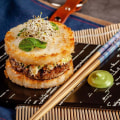
Welcome to the world of culinary artistry, where flavors dance and creativity knows no bounds. In this journey, we delve into the exquisite realm of Chef's tasting menus, a dining experience that transcends traditional meals and invites you to savor a symphony of taste. Imagine being guided by a master chef through a carefully curated selection of dishes, each one a reflection of their passion and expertise. The Chef's tasting menuChef's tasting menu is not just a meal; it is an exploration of ingredients, techniques, and emotions, all artfully crafted to provide a memorable gastronomic adventure. This article will take you on an in-depth exploration of the Chef's tasting menu, uncovering its origins, the philosophy behind its design, and what makes it an unparalleled choice for food enthusiasts. Whether you are a seasoned epicurean or a curious newcomer, you will discover how these menus are more than just a collection of courses; they are a celebration of culinary innovation. Join us as we navigate through the intricacies of this remarkable dining style, revealing the secrets that make each tasting an unforgettable experience.
Prepare your palate for an enlightening journey through the art of Chef's tasting menus, where every bite tells a story and every dish ignites your senses.
Chef's tasting menus
represent a unique culinary experience that captivates diners by offering a carefully curated selection of courses designed to showcase a chef's creativity and expertise. Unlike traditional menus, where guests might choose from a variety of standalone dishes, a tasting menu presents a series of small plates that are typically served in a specific order to create a harmonious progression of flavors. This structure often begins with lighter appetizers, moves into more robust main courses, and concludes with delightful desserts, each thoughtfully crafted to complement the others. The portion sizes in a chef's tasting menu are generally smaller than those found in standard dining, allowing guests to experience a wider range of flavors without overwhelming their palate. This careful balance is critical, as it enables diners to appreciate the nuances in each dish while still leaving room for subsequent courses.The flavor progression is meticulously planned; chefs often start with delicate, subtle dishes and gradually introduce bolder, more complex flavors, culminating in rich and indulgent desserts. A crucial aspect of enhancing the dining experience is the pairing of beverages with each course. Thoughtful wine pairings can elevate a tasting menu, enhancing not only the food but also the overall atmosphere of the meal. For instance, a crisp white wine may perfectly complement a seafood appetizer, while a full-bodied red could enhance the flavors of a hearty meat dish. Likewise, non-alcoholic beverages, such as artisanal sodas or house-made juices, can also be creatively paired to match the tasting menu's progression.
tasting menus.
Establishments like Eleven Madison Park in New York City and Noma in Copenhagen have garnered international acclaim for their innovative and seasonal approaches to this dining format. These chefs often use local ingredients to create dishes that not only represent their culinary philosophy but also celebrate the surrounding environment. Pricing strategies for tasting menus can vary widely, influenced by factors such as ingredient costs, preparation time, and the restaurant’s market positioning. High-end establishments may charge premium prices due to the quality and rarity of ingredients used, along with the extensive labor involved in crafting each dish. Conversely, casual dining venues may offer more accessible tasting menus that prioritize creativity and flavor over extravagant components. As culinary preferences continue to evolve, accommodating dietary restrictions has become an essential consideration for chefs designing tasting menus.
Options for vegetarian, vegan, gluten-free, and allergen-friendly dishes are increasingly demanded by diners. Chefs have risen to this challenge by innovating with plant-based ingredients and alternative cooking methods to ensure that everyone can enjoy a remarkable tasting experience. For example, creative substitutions and thoughtful preparation can transform traditional meat-based dishes into satisfying vegetarian or vegan options. Current trends in menu design reflect a growing emphasis on sustainability and local sourcing. Many chefs are now prioritizing ingredients from local farms and purveyors, not only to support their community but also to minimize environmental impact.
This commitment to sustainability can be reflected in tasting menus, which may feature seasonal produce or highlight lesser-known local ingredients that tell a story about the region's culinary landscape. Additionally, the rise of digital menus has allowed restaurants to reach broader audiences through online platforms, making it easier for potential diners to explore tasting options before making reservations. Despite the allure of chef's tasting menus, there are challenges that chefs must navigate when designing these intricate experiences. Balancing creativity with consistency can be difficult; chefs must ensure each dish not only stands out individually but also contributes to an overall cohesive experience. Moreover, as diners' tastes evolve and new culinary trends emerge, chefs are encouraged to innovate continually, whether by experimenting with new flavor combinations or incorporating unexpected elements into their menus. In conclusion, chef's tasting menus offer an exciting opportunity for diners to engage with food on a deeper level while showcasing the artistry and skill of talented chefs.
By understanding the essential components that define these menus—from course structure and beverage pairings to pricing strategies and dietary accommodations—restaurants can craft memorable experiences that resonate with their guests long after they leave the table.
The Structure of a Tasting Menu
A chef's tasting menu is a carefully curated selection of dishes that showcases the chef's culinary style and philosophy. Typically consisting of multiple courses, each dish is designed to complement the others, creating a cohesive and harmonious dining experience. The structure of a tasting menu can vary, but it often begins with lighter appetizers, gradually progressing to richer and more complex flavors. This progression allows diners to experience a range of tastes and textures, enhancing the overall journey of the meal. Each course is meticulously selected based on factors such as seasonality, ingredient availability, and the chef's inspiration. This thoughtful selection process not only highlights the chef's skills but also emphasizes the importance of freshness and quality in each dish. In many cases, a chef's tasting menu may include wine pairings that are specifically chosen to enhance each course.This addition further elevates the dining experience, as the flavors of the food and wine interact in delightful ways. The final structure often concludes with a light dessert or palate cleanser, leaving diners satisfied yet not overly full, which is crucial for such an immersive dining experience. Overall, the layout of a tasting menu is an art form in itself, designed to take diners on a memorable culinary journey.
Pricing Strategies for Tasting Menus
When it comes to chef's tasting menus, one of the most critical aspects that influences the overall dining experience is the pricing strategy. Determining the right price for a tasting menu involves several factors, including the quality of ingredients, preparation time, and the type of restaurant. Firstly, the choice of ingredients plays a significant role in pricing. High-quality, seasonal, and locally-sourced ingredients often come at a premium.Chefs may opt to include rare or exotic items that elevate the dining experience but also increase costs. Understanding how to balance these costs while still providing value to diners is essential for restaurants. Secondly, preparation time is another crucial factor.
Chef's tasting menus
typically involve intricate techniques and multiple courses that require significant time and skill from the kitchen staff. The more elaborate the dishes, the higher the labor costs associated with preparing them.Restaurants must factor in the time spent on prep work, cooking, and presentation when determining their pricing. Lastly, the type of restaurant also impacts pricing strategies. Fine dining establishments often have a different pricing structure compared to casual eateries. A high-end restaurant may charge more for a tasting menu due to its ambiance, service level, and overall experience offered. In contrast, casual dining spots may aim for affordability while still delivering a memorable tasting experience. In conclusion, setting prices for chef's tasting menus requires a careful consideration of ingredient quality, preparation time, and the restaurant's concept.
By striking the right balance, chefs can create an enticing menu that appeals to diners while ensuring profitability.
Accommodating Dietary Needs
In the realm of chef's tasting menus, accommodating dietary needs is both a challenge and an opportunity for culinary creativity. Chefs are increasingly faced with the task of crafting dishes that not only delight the palate but also honor the dietary restrictions of their guests. Whether it's a food allergy, intolerance, or lifestyle choice such as vegetarianism or veganism, a well-designed tasting menu can be inclusive without compromising on flavor or artistry. To begin with, communication is key. Prior to the dining experience, chefs should engage with diners to understand their specific dietary needs.This not only ensures safety but allows chefs to tailor the menu accordingly. With this knowledge in hand, chefs can showcase their creativity by reimagining classic dishes, substituting ingredients while maintaining the integrity of the flavors. For instance, a dish traditionally featuring seafood might be transformed into a vibrant vegetable medley that captures the essence of the original through careful seasoning and presentation. Additionally, chefs can explore alternative cooking techniques and unusual ingredients that add depth and excitement to each course. Another approach is to create a separate yet complementary tasting menu that parallels the main offering. This method allows diners with dietary restrictions to enjoy a full tasting experience alongside their companions, fostering a sense of inclusion while still showcasing the chef's skills. Ultimately, the goal of incorporating dietary needs into a chef's tasting menu is to enhance the dining experience rather than diminish it.
By embracing these challenges, chefs can push their creative boundaries and elevate their culinary repertoire, proving that accommodating dietary restrictions can result in innovative and delicious dishes that everyone can enjoy.
Current Trends in Tasting Menus
In recent years, the culinary landscape has witnessed a significant evolution in tasting menus, reflecting broader trends in dining experiences. One notable trend is the increasing emphasis on local and seasonal ingredients. Chefs are striving to create dishes that not only showcase their culinary prowess but also highlight the flavors of their regions. This farm-to-table approach not only supports local producers but also enhances the freshness and quality of each dish. Another emerging trend is the rise of thematic tasting menus.Chefs are crafting menus around specific themes or concepts, such as cultural explorations or culinary techniques, allowing diners to embark on a unique gastronomic journey. This immersive experience can take patrons through a narrative, enhancing their appreciation for the food they are enjoying. Moreover, sustainability has become a pivotal factor in menu design. Many chefs are incorporating eco-friendly practices into their tasting menus by minimizing waste and using sustainable sourcing. This not only resonates with environmentally conscious diners but also showcases the chef's commitment to responsible dining. The influence of technology is also noteworthy, with some chefs integrating interactive elements into their tasting menus.
This can include presentations that involve diners in the cooking process or utilizing augmented reality to enhance the experience. These innovations keep diners engaged and elevate the overall experience. Lastly, the trend towards personalization is becoming increasingly prevalent. Many restaurants offer tailored tasting menus that cater to individual dietary preferences or restrictions, ensuring that each guest has a unique experience that meets their needs. As chefs continue to push the boundaries of creativity and innovation, tasting menus will undoubtedly evolve, reflecting both current culinary trends and the desires of an adventurous dining public.
Adapting for Online Platforms
In the digital age, presenting chef's tasting menus online has become essential for attracting and engaging diners. Effective online presentation can significantly enhance the dining experience even before guests step foot in the restaurant.To achieve this, restaurants should employ a variety of strategies that highlight the unique appeal of their tasting menus.First and foremost, high-quality visuals play a crucial role in captivating potential diners. Stunning photographs of each dish not only showcase the artistry involved in the meal preparation but also stimulate curiosity and excitement. Consider using a professional photographer who can capture the colors, textures, and intricacies of each plate. Incorporating images that depict the dining atmosphere, such as elegantly set tables or chefs in action, can further enhance the storytelling aspect of the menu. Alongside visuals, detailed descriptions are vital for conveying the essence of each dish within the chef's tasting menu.
Descriptions should go beyond basic ingredients to include information about flavor profiles, cooking techniques, and inspiration behind each dish. This approach allows diners to appreciate the thought and creativity that went into crafting the menu. For instance, instead of merely stating 'seared scallops,' a description might read: 'Perfectly seared scallops, kissed by a hint of citrus and served on a bed of saffron-infused risotto, garnished with microgreens.'Interactive elements can also be beneficial when showcasing tasting menus online. Consider integrating videos that feature chefs discussing their inspirations or demonstrating cooking techniques.
Such content not only engages potential customers but also helps establish a connection between the diner and the culinary team. Additionally, providing an option for guests to book their experience directly through the website can streamline the process and encourage immediate reservations. Including user-friendly navigation and clear calls-to-action throughout the online menu can enhance user experience, making it easier for diners to explore and choose their desired tasting experience. Finally, leveraging social media platforms to share highlights from your chef's tasting menu can expand reach and attract a broader audience. Regularly posting images and stories related to your tasting menu can pique interest and keep your restaurant top-of-mind for food enthusiasts. In conclusion, chef's tasting menus represent a remarkable evolution in the culinary world, providing diners with a unique and immersive experience that traditional menus often fail to deliver.
Chef's tasting menus
are not merely a series of dishes; they are an artistic expression that showcases a chef's creativity and skill, inviting patrons to embark on a culinary journey filled with diverse flavors and innovative presentations. Throughout this article, we have explored the structure of a tasting menu, the various pricing strategies that can be employed, and how to effectively accommodate dietary needs.We also examined current trends in the dining landscape and how restaurants can adapt these experiences for online platforms. These insights highlight the growing significance of tasting menus in both fine dining and casual settings, reflecting diners' desire for unique gastronomic adventures. As you think about your own restaurant menu design or dining experiences, consider how the principles discussed here can enhance your offerings. Embrace the artistry of the chef's tasting menu and let it inspire you to create memorable culinary experiences that resonate with your guests.