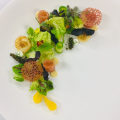
In the competitive world of dining, first impressions matter immensely. As customers peruse a restaurant menu, their eyes are not just scanning for dishes; they are searching for a visual experience that captivates and entices.
Incorporating illustrations and icons
into your menu design can transform a mundane list of items into an engaging narrative that reflects your restaurant's unique personality. Imagine a vibrant illustration of a steaming bowl of pasta or playful icons representing different dietary options—these visual elements not only enhance readability but also evoke appetite and curiosity. Menus serve as more than just a means to convey food options; they are a powerful marketing tool. into your menu design can transform a mundane list of items into an engaging narrative that reflects your restaurant's unique personality. Imagine a vibrant illustration of a steaming bowl of pasta or playful icons representing different dietary options—these visual elements not only enhance readability but also evoke appetite and curiosity. Menus serve as more than just a means to convey food options; they are a powerful marketing tool.In today's digital age, where attention spans are fleeting, it is crucial to leverage every design element available to create an inviting atmosphere. Effective menu design goes beyond typography and layout; it embraces the art of imagery. By strategically placing illustrations and icons, you can guide the dining experience, highlight signature dishes, and even tell a story about your culinary offerings. This article delves into the best practices for enhancing restaurant menus with visual elements. We will explore how thoughtful incorporation of illustrations and icons can elevate your menu from standard to spectacular, drawing diners in and encouraging them to explore your culinary creations.
Join us as we uncover the transformative power of visual storytelling in menu design and learn how to craft a captivating dining experience that leaves a lasting impression.
Incorporating illustrations and icons
into menu design is not just a trend; it is a vital component that enhances the overall dining experience. Visual elements such as illustrations and icons serve to attract attention, convey information quickly, and create an emotional connection with diners. In an age where consumers are inundated with options, the ability to make a strong first impression through visual storytelling can significantly influence a customer's decision-making process. One of the primary ways that visuals complement written content is by improving readability. A well-designed menu that incorporates illustrations and icons can break up large blocks of text, making it easier for diners to scan and digest information.For example, a menu item paired with a hand-drawn illustration of the dish can provide context and set expectations about presentation and flavor. Similarly, icons can highlight important details such as dietary restrictions or pricing, aiding diners in making informed choices without feeling overwhelmed. There are various types of illustrations that can be effectively utilized in restaurant menus. Hand-drawn illustrations add a personal touch and can evoke feelings of warmth and authenticity, which are appealing in a dining context. On the other hand, digital illustrations offer more versatility and can be customized to fit modern design aesthetics.
When it comes to icons, options include dietary symbols to indicate vegetarian, vegan, or gluten-free options, as well as pricing tags that can help customers gauge affordability at a glance. These visuals not only clarify information but also enhance the visual appeal of the menu. Successful examples of restaurants that utilize visuals effectively abound. For instance, a trendy eatery might feature a menu decorated with vibrant illustrations of their signature dishes alongside playful icons representing different flavors or cooking styles. This approach not only makes the menu more engaging but also aligns with current consumer preferences for personalized experiences.
In contrast, fast-casual restaurants may opt for minimalistic designs with simple icons to convey essential information quickly, catering to customers seeking efficiency. However, there are potential concerns regarding overloading the menu with images or creating a cluttered layout. It is essential to strike a balance between aesthetics and functionality. A cluttered menu can confuse diners rather than assist them in their choices. Maintaining ample white space between elements allows for easier navigation and enhances the overall visual appeal.
Current trends in minimalist design advocate for simplicity, where less is often more. This approach not only reduces clutter but also emphasizes key offerings. The use of color psychology in menu imagery is another crucial aspect to consider. Colors evoke emotions and can influence appetite and purchasing decisions. Warm colors like red and yellow tend to stimulate hunger, while cooler colors like blue can have the opposite effect.
By strategically employing color schemes throughout the menu, restaurants can enhance mood and create an inviting atmosphere. As dining increasingly shifts online, adapting visuals for digital platforms becomes essential. Ensuring that illustrations and icons are optimized for mobile viewing is critical, as many customers will access menus via smartphones or tablets. High-quality images should load quickly without compromising clarity; otherwise, potential patrons may lose interest before even reaching the restaurant. Diversity in dietary preferences must also be addressed through the use of icons. Incorporating symbols that represent vegetarian, vegan, gluten-free, and other dietary options allows restaurants to cater to diverse customer needs effectively.
This inclusivity not only broadens the customer base but also demonstrates an awareness of contemporary dining trends. In conclusion, the integration of illustrations and icons into restaurant menus is a powerful tool for enhancing customer engagement and improving the overall dining experience. By embracing visual storytelling through thoughtful design elements, restaurants can create menus that not only inform but also inspire diners to explore new culinary delights.
Catering to Dietary Needs
In today's diverse culinary landscape, it is essential for restaurant menus to cater to a variety of dietary needs.Icons
serve as powerful tools in this regard, providing clear and immediate visual cues that help diners quickly identify menu items that align with their dietary preferences or restrictions. For instance, using simple icons to denote vegetarian, vegan, gluten-free, or nut-free options can streamline the dining experience. A small leaf icon can signify vegetarian dishes, while a crossed-out wheat symbol can indicate gluten-free options.These visual markers not only enhance the menu's aesthetic appeal but also reduce the cognitive load on customers trying to decipher complex ingredient lists. Furthermore, incorporating icons can foster inclusivity in the dining environment. By making dietary information easily accessible, restaurants demonstrate their commitment to accommodating all guests, which can significantly enhance customer satisfaction and loyalty. As diners become increasingly health-conscious and concerned about food allergies, having a menu that visually communicates dietary options is not just a convenience; it's a necessity. In summary, by implementing thoughtfully designed icons that clearly communicate dietary options, restaurants can create more engaging and informative menus. This practice not only improves the overall dining experience but also aligns with the growing trend of visual storytelling in menu design.
Adapting Menus for Online Platforms
As the dining landscape continues to evolve, adapting menus for online platforms has become essential for restaurants aiming to enhance the customer experience.Digital menus are often the first interaction customers have with a restaurant, making it crucial to incorporate engaging visual elements that capture attention and convey the essence of the dining experience. When tailoring visuals for digital menus, restaurants should prioritize clarity and accessibility.
Illustrations and icons
can serve as effective tools for highlighting key menu items or dietary options, allowing customers to quickly identify their preferences without overwhelming them with text. For instance, using icons to denote vegetarian, vegan, or gluten-free options can streamline the decision-making process, catering to diverse dietary needs. Moreover, the size and resolution of visuals are critical in the digital realm. High-quality images and illustrations that are optimized for various screen sizes ensure that the menu remains visually appealing on smartphones, tablets, or desktops.This not only enhances the aesthetic but also maintains functionality across different devices. Incorporating elements of visual storytelling into online menus can further engage customers. Restaurants can use illustrations that depict the origin of ingredients or the preparation process of signature dishes. This storytelling aspect not only informs customers but also creates a connection between them and the food, enhancing their anticipation before they even place an order. Lastly, considering user experience is paramount when designing digital menus. Intuitive layouts that incorporate visual elements help guide customers through their choices seamlessly.
By employing a combination of attractive visuals and straightforward navigation, restaurants can ensure that their digital menus are not only informative but also enjoyable to browse, ultimately leading to higher customer satisfaction and increased sales.
Current Trends in Menu Imagery
In recent years, the restaurant industry has witnessed a significant shift towards incorporating visual elements into menu design.Illustrations
and icons have emerged as powerful tools to enhance the overall aesthetic and functionality of menus. One of the most notable trends is the use of hand-drawn illustrations, which add a personal touch and create a sense of authenticity. These artistic representations not only capture the essence of a dish but also reflect the restaurant's unique identity. Another growing trend is the use of minimalist design, where simple icons are employed to convey complex ideas quickly.This approach aligns with the fast-paced dining experience many customers seek today. By using intuitive icons to represent various dietary options, such as vegetarian or gluten-free dishes, restaurants can streamline the decision-making process for their patrons. Additionally, the rise of visual storytelling has transformed how menus communicate their offerings. Restaurants are increasingly using illustrations to narrate the journey of their dishes, from ingredient sourcing to preparation methods. This not only engages customers but also fosters a deeper connection between them and the food they consume. Furthermore, vibrant colors and bold imagery are becoming commonplace in menu designs.
These elements not only attract attention but also evoke emotions and stimulate appetite. The strategic use of color psychology can influence customer choices, making it essential for restaurants to consider their color palette carefully when designing their menus. Overall, contemporary design trends that utilize illustrations and icons are reshaping the landscape of restaurant menus, making them more engaging, informative, and visually appealing. As these trends continue to evolve, they play a crucial role in enhancing customer experiences and driving engagement.
The Role of Visuals in Menu Design
In the competitive landscape of the restaurant industry, incorporating illustrations and icons into menu design is more than just an aesthetic choice; it serves as a powerful tool to enhance customer understanding and influence their dining decisions. Visual elements can transform a standard menu into an engaging experience that resonates with customers on multiple levels. When patrons glance at a menu, their eyes are naturally drawn to images and icons before they even read the text.This instant visual appeal can significantly impact their first impression of the restaurant and its offerings. For instance, a beautifully illustrated dish can evoke a sense of flavor and freshness, prompting diners to consider ordering it even if they had initially planned to choose something else. Moreover, illustrations can simplify complex information, making it easier for customers to navigate the menu. For example, using icons to represent different dietary options—such as vegetarian, vegan, or gluten-free—can help guests make informed choices quickly. This clarity not only enhances customer satisfaction but also fosters a more inclusive dining environment. The use of visuals in menu design also taps into the growing trend of visual storytelling.
By showcasing the origin of ingredients or highlighting unique preparation methods through illustrations, restaurants can create a narrative that engages customers on a deeper level. This storytelling aspect not only captivates diners but also strengthens their emotional connection to the brand. In conclusion, leveraging visuals like illustrations and icons is crucial for modern menu design. These elements not only enhance understanding but also play a significant role in guiding customer choices, ultimately leading to a more enjoyable dining experience.
Types of Illustrations and Icons
When it comes to incorporating illustrations and icons into restaurant menus, there are various styles that can be effectively utilized to enhance visual appeal and communication. Understanding these styles is crucial for creating a menu that not only looks good but also engages diners. One popular style is hand-drawn illustrations, which add a personal touch to the menu.These illustrations can reflect the restaurant’s theme and ambiance, making diners feel more connected to the dining experience. For instance, a rustic Italian restaurant might feature hand-drawn pasta illustrations, giving the menu a warm and inviting feel. Another effective style is flat icons. These simple, two-dimensional icons are easy to recognize and can convey information quickly. For example, using flat icons to represent dietary options—such as vegetarian, vegan, or gluten-free—can help customers make informed choices at a glance.
Photographic icons
are also an excellent choice, especially for menus that emphasize visual storytelling.High-quality images of dishes can entice diners and showcase the restaurant's offerings in an appetizing way. However, it’s essential to ensure that these photographs are well-lit and professionally taken to maintain a polished look. For a modern twist, geometric designs can be employed. These designs often use shapes and lines to create sleek and contemporary icons. They work particularly well in upscale dining environments where a minimalist aesthetic is preferred. Finally, thematic illustrations, which align with the restaurant’s concept or cuisine, can further enhance the dining experience.
For example, a seafood restaurant might use ocean-themed illustrations like waves or marine life to complement its menu items. By thoughtfully selecting the right types of illustrations and icons, restaurants can create menus that not only convey information effectively but also enhance the overall dining experience. In conclusion, incorporating illustrations and icons into menu design offers a multitude of benefits that can transform the dining experience. These visual elements not only enhance the aesthetic appeal of menus but also serve as powerful tools for communicating information effectively. By utilizing illustrations and icons, restaurant owners can guide their guests through the menu, making it easier to understand dishes, ingredients, and dietary options. This clarity fosters a more engaging atmosphere, ultimately leading to increased customer satisfaction. The growing trend of visual storytelling in menus reflects a broader shift towards creativity and personalization in the dining experience.
Restaurant owners are encouraged to embrace this creativity by designing menus that resonate with their target audience's preferences and needs. Whether through whimsical illustrations that evoke a sense of fun or elegant icons that convey sophistication, the right visuals can significantly impact how customers perceive and enjoy their meals. Moreover, as dining increasingly moves to online platforms, adapting menus with effective visual elements becomes even more critical. By investing in thoughtful design that prioritizes visual storytelling, restaurants can stand out in a competitive market and create memorable experiences for their guests. In summary, effective visual elements are not just an enhancement but a vital component of modern menu design that can elevate the overall dining experience.