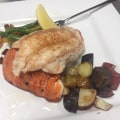
In the world of culinary experiences, the first impression is often made long before the food arrives at the table.
The impact of color on menu design
plays a crucial role in shaping diners' perceptions and influencing their choices. Color is not merely an aesthetic element; it evokes emotions, stimulates appetites, and can even communicate the essence of a restaurant's brand. As we delve into the fascinating realm of color psychology in menu designcolor psychology in menu design, we uncover how different hues can create ambiance, suggest flavors, and enhance the overall dining experience. Imagine stepping into a vibrant eatery where the warm reds and yellows of the menu invigorate your senses, enticing you to try that spicy dish you've never considered before.Or picture a serene café with soft blues and greens that promote relaxation, encouraging you to linger over a cup of coffee. These aren't just coincidences; they are deliberate choices made by savvy restaurateurs who understand the powerful relationship between color and consumer behavior. This article will explore the principles of color psychology in menu design, providing insights into how to effectively leverage color to enhance your menu's appeal. From understanding the emotional responses elicited by various colors to practical tips on integrating them into your designs, this comprehensive guide aims to equip you with the knowledge needed to create menus that not only look good but also resonate with your customers on a deeper level. Join us as we unlock the secrets behind effective menu design and discover how color can transform an ordinary dining experience into something truly extraordinary. The world around us is saturated with color, influencing our emotions, perceptions, and decisions in ways we often overlook.
Color psychology plays a significant role in our daily lives, shaping everything from our mood to our behavior. In the realm of restaurant design, menus serve as a crucial element of the overall customer experience, where color becomes a vital tool in influencing choices and perceptions. This article aims to provide insights into how color psychology can be effectively utilized in menu design, enhancing both aesthetic appeal and customer engagement. Understanding the emotional associations tied to different colors is fundamental in leveraging color psychology for menu design. For instance, the color red is often associated with excitement and passion, making it an excellent choice for stimulating appetite and encouraging diners to make quick decisions.
It's no surprise that many fast-food chains prominently feature red in their branding and menu designs. On the other hand, blue is known for its calming effects and can evoke feelings of trust and reliability; however, it is less frequently used in food contexts because it can suppress appetite. Green is another color closely tied to health and freshness, often used by restaurants that want to emphasize organic or wholesome offerings. Successful restaurants have adeptly leveraged color psychology in their menu designs to create unique dining experiences. For instance, the fast-casual restaurant chain Chipotle uses earthy tones and green accents that reflect its commitment to fresh ingredients and sustainability.
This not only aligns with their brand ethos but also reassures customers about the quality of their food choices. Another example is the upscale dining establishment The Olive Garden, which employs warm colors like terracotta and rich browns to create an inviting atmosphere that encourages guests to linger and enjoy their meals. Furthermore, color can significantly affect pricing strategies by influencing perceived value and customer spending behavior. Research has shown that the colors used in a menu can alter how customers perceive prices; for example, using a black background with white text can convey luxury and exclusivity, allowing restaurants to justify higher prices. Conversely, bright colors may lead to the perception of lower prices and more casual dining experiences.
Therefore, understanding the psychological effects of color can provide restaurants with a strategic advantage in positioning their offerings. Current trends in menu design reflect evolving consumer preferences, with many establishments adopting bold colors and minimalistic designs that emphasize clarity and ease of navigation. The rise of digital menus has also prompted restaurants to consider color schemes that are visually appealing on screens, ensuring that vibrant hues translate well from print to digital formats. As diners increasingly rely on online platforms for ordering food, it becomes essential for restaurants to adapt their menu designs accordingly. Considerations for special dietary needs further illustrate how color can play a role in differentiating options effectively. For example, using distinct colors to highlight vegan or gluten-free options not only makes it easier for customers to identify suitable dishes but also enhances inclusivity within the dining experience.
Incorporating color cues for dietary restrictions can foster a sense of care and attention from the restaurant towards its patrons. However, navigating cultural interpretations of color remains a complex challenge for menu designers. Different cultures may attach varying meanings to specific colors; for instance, while white is often associated with purity in Western cultures, it may symbolize mourning in some Eastern cultures. This potential for misunderstanding necessitates a thoughtful approach when selecting colors for menus intended for diverse audiences. Conducting thorough research on target demographics can help mitigate these cultural discrepancies and ensure that the chosen colors resonate positively with all customers. In conclusion, color psychology is a powerful tool in menu design, capable of influencing emotions, enhancing perceived value, and guiding customer choices.
By understanding the emotional associations tied to various colors and recognizing current trends within the industry, restaurants can create menus that not only look appealing but also improve customer experiences. As we continue to explore the intersection of design and psychology, it becomes clear that thoughtful use of color can lead to increased satisfaction and loyalty among diners.
Color Choices for Menu Sections
When designing a restaurant menu, color choices play a crucial role in categorizing menu items and enhancing readability. By strategically selecting colors for different sections of the menu, restaurants can guide customers' eyes and influence their decisions. One effective approach is to use contrasting colors to differentiate between categories such as appetizers, main courses, and desserts.For instance, a warm color like red can be used for appetizers to evoke a sense of excitement and stimulate appetite, while a cooler color like blue may be chosen for desserts to create a sense of calm and satisfaction. Additionally, using color psychology to align with the theme of the restaurant can further enhance the dining experience. A Mediterranean restaurant might incorporate earthy tones like olive green and terracotta to evoke the feel of the region, while a modern café could opt for vibrant colors like yellow or orange to create an energetic atmosphere. To improve readability, it is essential to ensure that the text color contrasts well with the background color. Dark text on a light background is generally easier to read. However, using a bold accent color for section headers can help them stand out without compromising readability. Lastly, consistency in color usage across the menu is key.
Once specific colors are assigned to different categories, they should remain uniform throughout the menu to avoid confusion and enhance overall coherence.
Addressing Special Dietary Needs
Incorporating special dietary needs into menu design is essential for creating an inclusive dining experience.Color psychology
can serve as a powerful tool to highlight these options effectively. For instance, using a distinct color palette for gluten-free items can help customers easily identify them without disrupting the overall aesthetic of the menu. Consider utilizing shades of green, which often symbolize health and wellness, to denote these choices. Similarly, for vegan or vegetarian options, earthy tones such as warm browns and vibrant greens can reinforce the natural and wholesome aspects of these dishes.It is crucial, however, to ensure that these colors are balanced with the overall design to maintain a cohesive look. Another effective approach is to use color accents rather than completely different hues. For example, adding a colored border or icon next to special dietary items can draw attention without overwhelming the menu's visual harmony. This method allows customers to navigate their options easily while still enjoying an aesthetically pleasing menu. Finally, it's important to test these color choices with your target audience to ensure that they resonate positively and communicate the intended message effectively. By strategically utilizing color to highlight dietary options, menus can enhance customer satisfaction and cater to diverse preferences. It is crucial, however, to ensure that these colors are balanced with the overall design to maintain a cohesive look. Another effective approach is to use color accents rather than completely different hues. For example, adding a colored border or icon next to special dietary items can draw attention without overwhelming the menu's visual harmony. This method allows customers to navigate their options easily while still enjoying an aesthetically pleasing menu. Finally, it's important to test these color choices with your target audience to ensure that they resonate positively and communicate the intended message effectively. By strategically utilizing color to highlight dietary options, menus can enhance customer satisfaction and cater to diverse preferences.
Adapting Menus for Online Platforms
As the food industry increasingly shifts toward digital platforms, understanding color psychology becomes essential for enhancing online menus.The visual appeal of a digital menu can significantly influence customer choices, much like its physical counterpart. Here are some tips on applying color psychology effectively in digital menus. Firstly, consider the emotional associations of colors. For instance, warm colors like red and orange can stimulate appetite and evoke feelings of excitement, making them ideal for casual dining establishments. In contrast, cooler tones such as blue and green can create a calming effect, suitable for health-focused restaurants.
Therefore, selecting a color scheme that aligns with your restaurant's theme can enhance customer engagement. Secondly, ensure that the color contrast between text and background is strong enough for readability. Using dark text on a light background or vice versa can help customers easily navigate through the menu items. This not only enhances the user experience but also encourages quicker decision-making. Additionally, be mindful of color consistency across your online platforms. A unified color scheme helps in establishing brand identity and recognition.
For example, if your restaurant's branding is predominantly green to signify freshness and health, maintain this color throughout your website and digital menus to create a cohesive experience. Lastly, consider using color strategically to highlight special dishes or promotions. A splash of a vibrant color can draw attention to featured items, guiding customers toward choices that may enhance their experience or increase sales. Remember, the goal is to make the menu not just visually appealing but also functional in driving customer decisions.
Understanding Color Associations
Color psychology plays a significant role in menu design, as different colors evoke various emotional responses and can influence customers' decision-making processes. Understanding these associations is crucial for creating an effective menu that resonates with the target audience.Red
, for instance, is often associated with excitement and appetite stimulation.It can create a sense of urgency, encouraging customers to make quicker decisions. Many fast-food restaurants utilize this color to drive sales and increase the likelihood of impulse buys.
Blue
, on the other hand, is linked to calmness and trust. It is less frequently used in food contexts because it can suppress appetite; however, it works well in fine dining menus where a tranquil atmosphere is desired.Yellow
brings feelings of happiness and optimism, making it an attractive option for menu highlights or specials. This color can draw attention to specific items, making them seem more appealing.Green
symbolizes health and freshness, which is why it’s commonly used by restaurants that focus on organic or vegetarian offerings.It conveys a message of sustainability and wellness, aligning with the values of health-conscious consumers.
Purple
is often associated with luxury and sophistication. It can elevate a menu's perceived quality and attract customers looking for a premium dining experience. By leveraging these color associations, restaurant owners can strategically design their menus to evoke desired emotions and guide customer choices effectively. Understanding the psychological effects of color not only enhances the aesthetic appeal of a menu but also plays a pivotal role in shaping the overall dining experience.Current Trends in Menu Design
In today’s competitive restaurant industry, menu design has evolved significantly, with color playing a crucial role in engaging customers and enhancing their dining experience. Contemporary trends show that restaurants are increasingly leveraging the psychology of color to create menus that not only showcase their dishes but also evoke specific emotions and encourage purchasing behavior. One prominent trend is the use of bold colors that make a statement.Restaurants are opting for vibrant hues that draw attention and create an energetic atmosphere. Bright colors like red and yellow are known to stimulate appetite and can lead to quicker decision-making, making them popular choices for fast-casual dining establishments. Another trend is the incorporation of minimalist design with a focus on muted color palettes. This approach emphasizes simplicity and elegance, allowing the food to take center stage. Soft pastels or earth tones can create a calming effect, perfect for fine dining environments where the goal is to provide a serene dining experience. Additionally, many restaurants are embracing seasonal colors that reflect the time of year or local ingredients.
This dynamic approach not only keeps the menu fresh and exciting but also connects diners to the seasonal changes in nature, enhancing their overall dining experience. Furthermore, the rise of digital menus has prompted innovative uses of color in interactive designs. Restaurants are experimenting with colorful graphics and animations that engage customers and enhance user experience on mobile devices or tablets. Finally, sustainability trends have led to the use of earthy tones and natural colors that reflect organic or locally sourced ingredients. This not only appeals to environmentally conscious diners but also reinforces a brand's commitment to sustainability.
Pricing Strategies Through Color
Color is not merely an aesthetic choice in menu design; it profoundly influences customer perceptions of pricing and can strategically impact spending behavior.Color psychology
suggests that different colors evoke distinct emotions and reactions, which can be leveraged to create a desired perception of value.For instance, the color red is often associated with excitement and urgency, making it an effective choice for highlighting special deals or limited-time offers. This can encourage customers to make quicker decisions and potentially increase their overall spending. Similarly, colors like green or blue tend to evoke feelings of calmness and trust, which can enhance the perceived value of higher-priced items. When these colors are used to display premium dishes, customers may be more inclined to justify spending on items they perceive as high-quality or luxurious. Furthermore, warm colors such as orange and yellow stimulate appetite and create a sense of cheerfulness, which can lead to increased order sizes as customers feel more positive about their dining experience. In addition to influencing emotions, color can also affect the way prices are interpreted.
For example, using a contrasting color to display prices can draw attention and prompt customers to consider their options more thoughtfully. When prices are shown in a color that stands out from the rest of the menu, it can lead to increased scrutiny and potentially higher spending if customers perceive the price as reasonable relative to the enticing color of the item. Ultimately, understanding the interplay between color, pricing, and consumer behavior enables restaurant owners and menu designers to craft menus that not only attract attention but also optimize customer spending. By strategically employing color psychology, restaurants can enhance their menus' effectiveness and create a memorable dining experience that aligns with their pricing strategies. In conclusion, the exploration of color psychology within menu design has highlighted its profound impact on customer perceptions and choices. By understanding color associations, restaurant owners can strategically implement hues that resonate with their brand and clientele.
The discussion on color choices for menu sections shows how effective organization and differentiation can guide customers through their dining experience. Additionally, utilizing pricing strategies through color not only influences purchasing decisions but also enhances perceived value. The current trends in menu design emphasize the importance of adapting to modern dining experiences, including adapting menus for online platforms, ensuring that visual appeal is maintained across all formats. Moreover, addressing special dietary needs through thoughtful color choices can promote inclusivity and cater to a diverse customer base. Overall, this article encourages restaurant owners and designers to experiment with color thoughtfully. By embracing the principles of color psychology, they can enhance customer engagement and satisfaction, ultimately leading to a more successful dining experience.